Questions worth asking
Questions People Ask About Boutique Practices and Med Spas
As people in the Triad weigh boutique medical care against larger med spas, the same practical questions come up again and again. Here are clear answers that build on what you have already read, without repeating it.
Is a boutique practice safer than a large med spa for Botox and fillers?
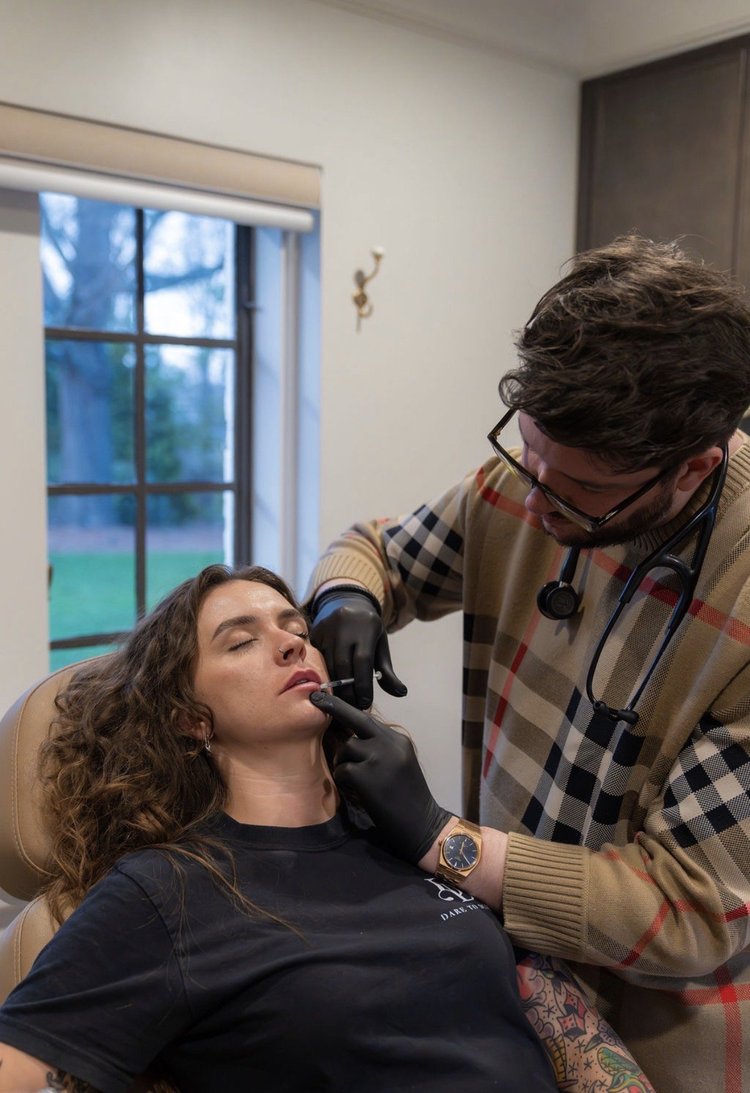
Safety depends on the people, not just the size of the practice. A boutique, medically led clinic can be very safe because the same experienced provider often plans and performs your injections, knows your medical history, and sees you for follow-up. That continuity makes it easier to catch early warning signs of problems and to adjust your plan gently over time. A large med spa can also be safe if it has strong medical oversight, well-trained injectors, and clear policies for emergencies and follow-up. Do not assume safety based on the word “spa” or “medical” in the name. Ask each place how they train providers, what their complication protocol is, and whether you can speak directly with the person responsible for your care before treatment.
If I only want skincare and facials, does it matter which type of practice I choose?
If you are generally healthy and only interested in non-medical skincare like relaxing facials, the decision may come down more to atmosphere, convenience, and budget than to medical structure. Many people enjoy the amenities and menu variety at larger spas for purely cosmetic or relaxation-focused services. However, if you are considering medical-grade treatments, have sensitive skin, or take prescription medications, it is still wise to ask who evaluates your skin, what ingredients or devices they use, and how they would handle an unexpected reaction. A boutique medical clinic can be a good choice if you want both skincare guidance and the option to escalate to medical treatments like laser or injectables in the same, medically supervised setting.
How does a boutique practice help with hormone and weight concerns differently from a med spa?
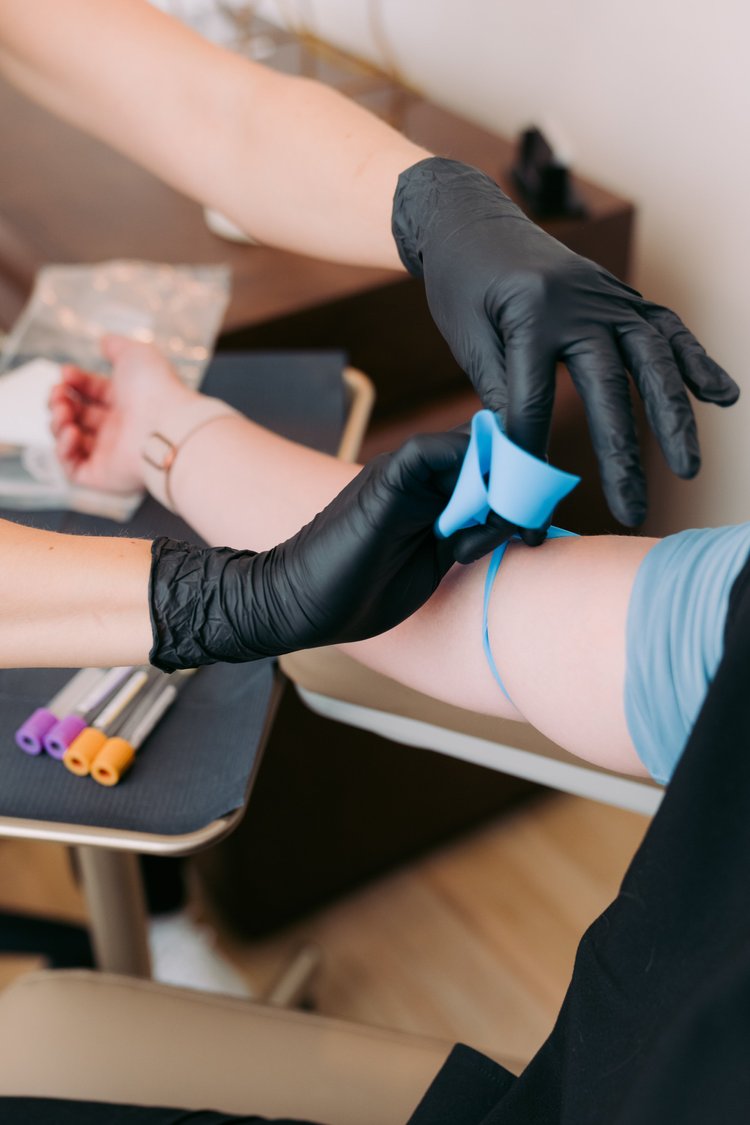
Hormone and weight issues touch nearly every part of your health: mood, sleep, blood pressure, cholesterol, and more. At a boutique medical practice that also offers primary care, those services are usually approached as part of your overall health. That can involve a detailed history, lab work, medication review, and ongoing visits to adjust your plan and track progress. Some med spas offer hormone or weight-loss programs, but the depth of evaluation and follow-up can vary widely. Before starting treatment anywhere, ask whether the provider can also manage related conditions like diabetes or high blood pressure, how often you will be monitored, and what happens if you experience side effects. Many patients feel more secure when these services are anchored in a practice that also manages their general medical care.
Can I mix and match,use a boutique practice for health and a big med spa for aesthetics?
Yes, many people do. You might see a primary care and wellness-focused boutique practice for medical issues like blood pressure, hormone balance, or weight management, while visiting a different med spa for specific cosmetic treatments. If you choose that route, communication becomes essential. Let each provider know what treatments and medications you are receiving elsewhere, and ask whether any of those might affect your procedures or recovery. Bringing a current medication list and sharing recent lab results can help both sides keep you safer. Some patients eventually prefer consolidating care in one medically led setting to simplify this coordination; others are comfortable managing it themselves. Think honestly about how organized you are and how comfortable you feel keeping multiple teams updated.
What should I expect during a first visit at a boutique practice like Bryan Medical & Wellness?
While every visit is individualized, you can expect more conversation and context than at a quick, transactional appointment. At Bryan Medical & Wellness, new patients typically review their health history, current concerns, and long-term goals with the provider. If you are coming in for primary care, that might mean a deeper look at chronic conditions, medications, and lifestyle. If you are curious about aesthetics, laser therapy, or weight support, the team will usually start by understanding what bothers you, what you have tried before, and how aggressive or conservative you want to be with change. From there, the provider can recommend a step-by-step plan instead of a one-time fix, with clear information about benefits, risks, and what kind of follow-up makes sense for you.