Questions worth asking
Forehead Botox Questions Kernersville Patients Often Ask
People considering forehead Botox tend to ask very specific, practical questions,especially if it is their first injectable treatment. Here are detailed answers to concerns that often come up in consultation.
How long does forehead Botox usually last?
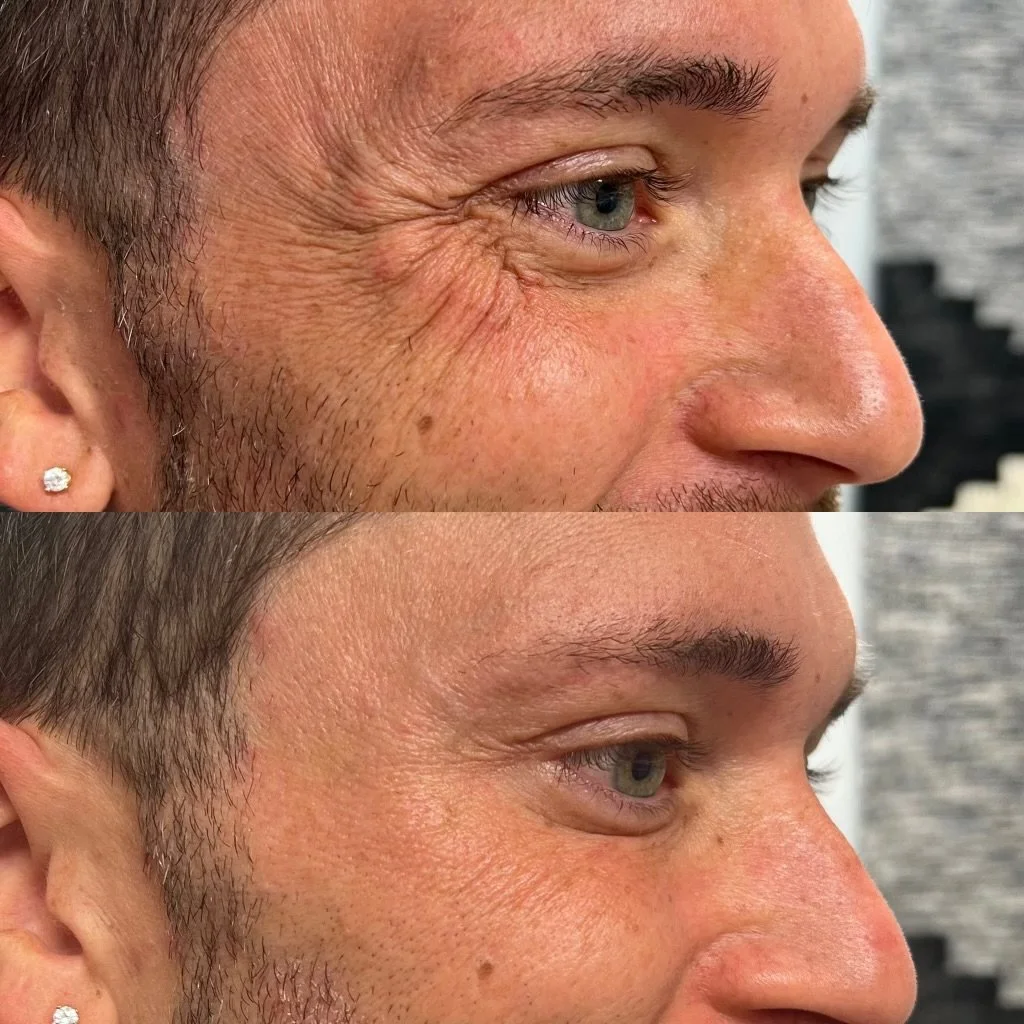
Most people begin noticing forehead Botox effects within several days, with full smoothing typically visible around the two-week mark. For many, results last about three to four months, though some individuals experience shorter or longer durations depending on their metabolism, muscle strength, and how often they have been treated before. Your provider may start conservatively for your first treatment. After seeing how your forehead responds at follow-up, they can fine-tune dose or placement. Keeping a fairly consistent schedule, rather than letting everything fully wear off each time, can help some patients maintain smoother lines with smaller adjustments over time.
Will forehead Botox make my eyebrows or eyelids droop?
Brow or eyelid heaviness is an uncommon but known risk with forehead Botox, usually related to how and where the product is placed. The frontalis muscle not only raises the brows; it also helps keep them from resting too low. If that muscle is weakened too aggressively, especially in someone whose brows already sit a bit low, they may feel heavier than they would like. A careful injector examines your natural brow position and eyelid anatomy before treating. They may choose to leave more movement in certain areas, or pair forehead treatment with small doses between the brows, to keep your overall expression balanced. If you have a history of droopy lids or brow surgery, be sure to share that so your plan can be adjusted.
What side effects should I expect after forehead Botox?
Most forehead Botox side effects are mild and temporary. Common ones include tiny injection-site bumps, minor redness, or slight tenderness where the needle entered. These usually fade within minutes to hours. Some people experience a brief, dull headache afterward. Bruising can happen, especially if you are prone to bruising or take certain medications or supplements that affect bleeding. More serious issues like significant eyelid drooping or asymmetry are rare but possible. A medically trained provider will review your health history, medications, and any previous reactions to injections, and will advise how to prepare,such as which products to avoid beforehand and what to watch for afterward,so you know when to call the office.
Can Botox prevent forehead lines from getting worse?
For many people, thoughtfully timed forehead Botox can slow the deepening of dynamic wrinkles by reducing how often and how strongly the skin is folded. In that sense, it can act as a preventive measure, especially if you start when lines are still mild or mainly visible with movement. However, prevention is never just about injections. Sun protection, consistent skincare, not smoking, and addressing whole-health factors like stress and sleep all contribute. A clinic that also offers primary care and wellness support, like Bryan Medical & Wellness, can help you look at forehead aging as part of a broader plan for skin and health, rather than relying on Botox alone.
Can I combine forehead Botox with other treatments at the same visit?
In many cases, forehead Botox can be combined with other non-surgical treatments in a single appointment, such as treating frown lines, crow’s feet, or planning complementary procedures like microneedling or laser for texture and sun damage. Whether that makes sense for you depends on your goals, schedule, and any medical considerations. A provider at Bryan Medical & Wellness might, for example, map out Botox treatment on one visit and schedule laser therapy or microneedling sessions in a coordinated way so healing times and follow-ups are manageable. The key is having a clear, individualized plan rather than stacking services randomly, so each treatment supports,not competes with,the others.