Business photo
After Botox, filler, or laser, then what?

What Kind of Follow-Up Should an Aesthetic Practice Provide?

The injection or laser session is only part of your aesthetic care. Real peace of mind comes from knowing exactly how your provider will check on you, answer questions, and respond if something does not feel right. This guide explains what follow-up should look like and how a medically led practice in Kernersville thinks about that responsibility.

The short answer

What matters most

Aesthetic practices should provide clear, proactive follow-up that starts before you ever leave the office and continues until your questions are answered and your results feel predictable. Good follow-up usually includes: detailed aftercare instructions in writing, a way to contact the office quickly with concerns, a realistic timeline of what to expect day by day, and an offer to check in,either virtually or in person,if you are worried or if a result needs fine‑tuning. For higher‑risk procedures, you should also know exactly who is on call and how urgent issues are handled. If a practice cannot explain its follow-up plan in plain language, that is a signal to pause and ask more questions before you proceed.

01Follow-up is a core part of aesthetic care, not an optional extra. It protects both your safety and your results after treatments like Botox, filler, and laser.↗
02Before you leave any appointment, you should have written aftercare instructions, clear contact information, and a realistic picture of what to expect as you heal.↗
03Different procedures require different follow-up intensity, so your provider should describe a plan that is specific to the treatment you are receiving.↗
04The way a practice talks about follow-up,calm, specific, and welcoming of questions,reveals a lot about how they will treat you once the procedure is over.↗
05In Kernersville and the Triad, a medically led clinic like Bryan Medical & Wellness can combine aesthetic follow-up with broader primary care and wellness support, giving you one team that knows your history and your goals.↗
Business photo
A visual pause

A Practical Guide to Aesthetic Follow-Up Care

A useful way to think about it

A Practical Guide to Aesthetic Follow-Up Care

Follow-up is where you learn whether a practice will truly stand behind its work. Use these sections as a calm, step‑by‑step way to understand what you deserve before, during, and after treatment.

01

1. Why follow-up is not optional in aesthetic care

Cosmetic treatments are often marketed as quick, simple, or “lunchtime” procedures. That can make it easy to forget that they still involve real medical decisions and real changes to your face or body. Follow-up is where small questions get answered before they become big worries, and where your provider confirms that your skin, muscles, and overall health are responding as expected. Good follow-up also protects your results. Swelling has to settle, filler has to integrate, Botox has to fully kick in, and laser‑treated skin has to heal. A thoughtful practice recognizes that the story of your treatment is still unfolding for days or weeks after the appointment and plans to walk through that period with you, not disappear once you pay.

02

2. The basics you should receive before leaving the office

Before you walk out of an aesthetic appointment, you should not feel like you are guessing. At a minimum, expect clear, written aftercare that covers how to clean the area, what products to avoid, typical time frames for swelling or redness, and warning signs that need medical attention. You should also know exactly how to reach the office with questions, including after normal business hours for urgent concerns. A practice that values follow-up will encourage you to reach out if something feels off, instead of making you feel like you are overreacting. If you leave without instructions or contact information in a form you can easily reference at home, ask for that before you go.

03

3. Different treatments, different follow-up needs

Not every aesthetic service needs the same kind of follow-up. A quick neurotoxin treatment, such as Botox, often focuses on an initial instruction sheet, a realistic timeline for when results appear, and an option to check in once the medication has fully taken effect. Filler, which changes contour and volume, may require closer observation for symmetry and rare but serious side effects. Laser and light‑based treatments usually involve a healing phase where your skin temporarily looks worse before it looks better, so guidance and reassurance matter. Because of this variety, you should expect your provider to explain how follow-up for your specific treatment will look, rather than offering the same generic advice for everything.

Decision guide

Using Follow-Up Promises to Choose a Practice

Once you know what real follow-up looks like, you can evaluate clinics more clearly. These decision checkpoints help you compare options and protect your safety and results.

01

1. Questions to ask about follow-up before you book

Follow-up policies are much easier to understand before you are already worried about a bruise, lump, or unexpected redness. When you call or come in for a consultation, consider asking: Who will I contact if I have questions after my treatment? What is your process if I think something looks uneven or not quite right? Do you offer scheduled follow-up visits or check-in calls, and when do those usually happen for this treatment? How are urgent issues handled outside regular hours, and who is involved in that decision? A practice that is confident in its follow-up will be able to answer these calmly and specifically. Vague responses, or pressure to “not worry about it,” are worth noting.

02

2. How medically led follow-up can feel different

In a clinic that also provides primary care and wellness services, follow-up is part of the daily culture. Providers are used to monitoring healing, adjusting medications, and managing longer‑term plans, so checking on your skin, muscles, or hormone‑related changes after an aesthetic treatment is a natural extension of what they already do. At Bryan Medical & Wellness, aesthetic services sit alongside primary care memberships, hormone optimization, medical weight loss, and laser therapies under the direction of nationally certified physician assistant Daniel J. Bryan‑Ledwell, PA‑C, MSPAS. That kind of structure can give you continuity: the same team that knows your health history can factor it into your cosmetic plan and be there if you have questions later. When you are evaluating any practice, you can ask how the injectors and medical staff coordinate on follow-up and what training they have for handling complications if they arise.

03

3. Red flags that follow-up may be an afterthought

You cannot predict every issue in advance, but you can spot signs that a clinic might not prioritize follow-up. Be cautious if you notice: Pressure to make a decision immediately without time for questions No written aftercare instructions, or instructions that feel copied and not tailored Confusion at the front desk about who handles post‑treatment concerns No clear answer when you ask how urgent issues are escalated or who is on call You deserve more than a sales experience. If a practice feels organized and patient‑focused when you ask about follow-up, that is usually a good sign for how they will treat you after the procedure as well.

04

4. Matching follow-up intensity to your comfort level

Some patients want structured check-ins; others feel confident as long as they know how to reach someone if needed. There is no single correct style, but your practice should be willing to match your comfort level within safe medical boundaries. If you know you tend to worry, say so up front and ask whether the team can plan a quick message or visit at the key time points for your treatment. If you are more independent, you may simply want confirmation of what is normal and permission to contact them if something strays outside that range. Ask yourself whether the provider responds to these preferences with flexibility and empathy, or with impatience. That reaction tells you a lot about how follow-up will feel in real life.

Evidence and expectations
PROOF

Why Follow-Up Matters in a Medically Led Clinic

Reviews and credentials cannot tell you everything, but they do show how a team treats people once the appointment is over. Here is what stands out from verified information about Bryan Medical & Wellness.

1. National certification and medical training

Daniel J. Bryan‑Ledwell, PA‑C, MSPAS is a nationally certified physician assistant. That credential reflects formal medical education, national board certification, and ongoing continuing education requirements. In a setting where injectables, laser treatments, hormone optimization, and primary care are offered in one clinic, that training supports careful evaluation not just on treatment day, but throughout the follow-up period. For patients, this can mean your post‑procedure questions are heard in a broader context. If a side effect overlaps with another health condition or medication, a medically trained provider is better positioned to connect the dots and adjust your plan safely.

2. Reviews that mention feeling heard and supported

Patient feedback offers a window into how a practice behaves when no brochure is watching. In public reviews, people describe Bryan Medical & Wellness as friendly, welcoming, and attentive. One reviewer notes that the office is clean and relaxing and that staff have already helped her plan a series of microneedling sessions, which implies ongoing care rather than one‑time visits. Another highlights that Daniel “makes you feel comfortable and heard” and that the staff treat you like family. Comments like these do not replace medical evidence, but they do show a pattern: patients notice and appreciate when a team creates an environment where questions are encouraged and follow-up feels natural.

3. A practice built around ongoing relationships

Because Bryan Medical & Wellness offers both direct and traditional primary care memberships alongside aesthetic services, laser therapy, hormone optimization, and medical weight loss, its model is inherently relationship‑based. Membership care thrives on regular check‑ins and open communication. While specific follow-up protocols for each aesthetic treatment are discussed individually with patients, this overall structure signals a commitment to continuity. Many people prefer that their injector, their primary care provider, and their wellness team share the same chart and the same long‑term view of their health. That way, if a cosmetic concern raises a medical question,or a medical change affects aesthetic plans,the team can respond thoughtfully rather than in isolation.

Business photo

What Follow-Up Looks Like for Kernersville and Triad Patients

Living in the Kernersville and greater Triad area shapes how you experience follow-up for aesthetic care. Many patients juggle work in Winston‑Salem or Greensboro, kids’ activities, and a full schedule, so long drives for every small concern are not always practical. When you evaluate a local practice, ask how they support you between visits: Do they offer phone, text, or secure messaging for quick questions? Are brief in‑person checks easy to schedule without taking half a day off? Can they coordinate follow-up with other services you use there, such as primary care, hormone support, or laser treatments, so you are not driving all over the region for separate check‑ins? Because Bryan Medical & Wellness provides both medical and aesthetic services in Kernersville, many patients prefer the stability of one medically led team keeping an eye on both health and appearance over time. If you live in or near Kernersville, it can be reassuring to know that the same office you trust for medical care is also available when you have a cosmetic question or need a calm second look at a result.

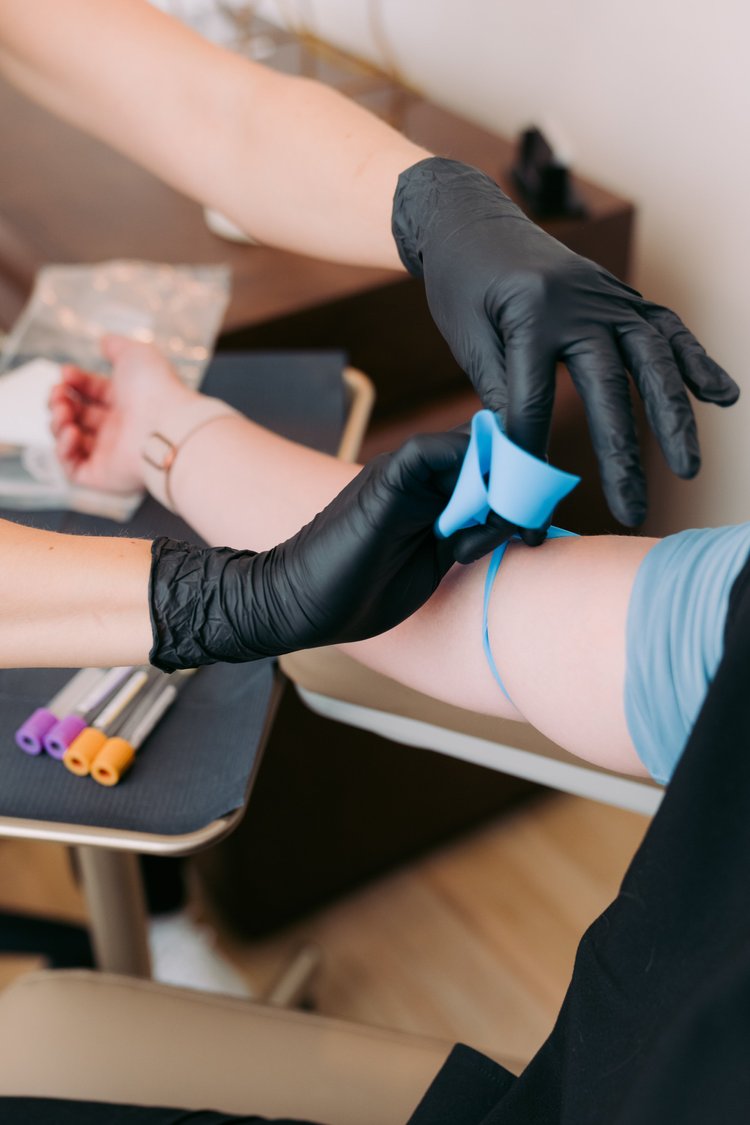
A healthcare professional wearing black gloves places a blue elastic tourniquet around a patient's upper arm. The patient is wearing a light blue sleeve, and several blood collection tubes with colored caps are visible on a nearby tray.
Questions worth asking

Follow-Up Questions Patients Ask Most Often

If you are new to aesthetic treatments, it can feel awkward to keep calling with “one more question.” You are not being a bother. These answers cover common concerns people hesitate to bring up.

How soon after an aesthetic treatment should I expect a check-in?

Different treatments have different timelines, and practices vary in how they handle them. For some services, your provider may simply give you detailed instructions and invite you to reach out if you have concerns. For others,such as filler, more intensive laser sessions, or multi‑step procedures,they may suggest a routine check-in at a specific time point to review healing and results. The most reliable approach is to ask your provider directly: “For this specific treatment, when do you usually like to see or hear from patients again?” Make sure you feel comfortable with that plan before you proceed.

Is it normal to ask for a small adjustment or “touch-up”?

In many cases, yes. Faces and skin are not perfectly symmetrical, and treatments such as Botox, filler, and microneedling can respond slightly differently from one person to another. Thoughtful providers understand this and will talk with you in advance about what counts as a reasonable adjustment and whether any additional cost is involved. If you are worried about raising the issue, remember that your provider cannot improve something they do not know about. A good practice would rather hear from you early, when small refinements are still simple, than have you feel disappointed in silence.

What if I notice something concerning outside office hours?

Your aftercare instructions should tell you exactly what to do if you notice symptoms that feel urgent, such as sudden, severe pain, vision changes, or signs of infection. For truly emergency symptoms, standard medical guidance still applies: seek immediate medical attention. For everything else, your aesthetic practice should give you clear guidance on who is on call, how to reach them, and what kinds of messages can wait until the next business day. If that information is missing or unclear, ask for it before you leave your appointment so you are not scrambling later.

Can I follow up about aesthetics during a primary care visit?

If your injector also participates in your primary care, it may be possible to combine certain conversations,for example, discussing hormone‑related skin changes during a routine checkup, or mentioning a previous filler treatment when reviewing medications. This can create a more complete picture of your health and appearance goals. In a practice like Bryan Medical & Wellness, where primary care and aesthetics share the same medical leadership, many patients appreciate that integration. However, detailed aesthetic assessments may still need their own appointment time so you can have the focused attention and privacy those discussions deserve. Ask how the office prefers to coordinate these topics when you schedule.

How can I tell if my concerns are “normal” or need a visit?

Clear expectations from your provider are key. Before you leave, ask them to outline what is normal for your specific treatment,such as typical levels of swelling, redness, bruising, or tightness,and how long those usually last. Request examples of things that would make them want to hear from you sooner. If you are ever unsure, it is safer to contact the office, describe what you see, and ask whether it fits within the expected range. A supportive practice will not make you feel guilty for double‑checking. They would rather reassure you or bring you in early than miss an opportunity to catch something that needs attention.


Your next step

Ready to Plan Treatment With Clear Follow-Up?

If you want aesthetic care where follow-up is not an afterthought, a medically led practice can make a real difference. At Bryan Medical & Wellness in Kernersville, NC, aesthetics, laser therapies, hormone and weight support, and primary care all live under one roof under the direction of nationally certified physician assistant Daniel J. Bryan‑Ledwell, PA‑C, MSPAS. That means your injector is backed by a full medical team and a culture of long‑term relationships, not one‑time transactions. If you are considering Botox, filler, microneedling, or other treatments and want to understand exactly how follow-up would work for you, you can: Call the office at 336-992-0491 Use the online "Book Now" option at bryanmw.com to schedule a consult Send a question through the contact form if you are not ready to book You do not have to guess what happens after the appointment. A short conversation can clarify what to expect and whether this care model feels like a good fit for your goals and comfort level.