Business photo
Face and Skin Changes, Explained Calmly

What Can I Do About Brown Spots on My Face?

Brown spots can sneak up on you: one morning your makeup isn't sitting right, or your skin looks "patchy" in photos. Whether they are sun spots, age spots, or leftover marks from acne, you do not have to guess your way through shelves of products or jump straight into aggressive treatments. This guide walks you through what those spots might be, what you can reasonably try on your own, and how a medically led clinic in Kernersville thinks through safe, natural-looking options if you want more help.

The short answer

What matters most

Brown spots on the face are often related to sun exposure, aging, or past inflammation, and the safest plan starts with two steps: protect the skin you have now and get a clear diagnosis before treating. Daily broad‑spectrum sunscreen, sun avoidance, and a gentle routine can keep spots from darkening. Some people also benefit from medical‑grade skin care, prescription topicals, or in‑office treatments such as peels or laser and intense pulsed light (IPL) to target discoloration. Because not every dark spot is harmless, a medical provider should examine new, changing, or irregular spots before they are treated. At Bryan Medical & Wellness in Kernersville, patients can schedule a consultation for personalized evaluation and a treatment plan that may include aesthetics and laser therapy options for sun damage and uneven tone.

01Brown spots on the face often come from sun exposure, aging, hormones, or inflammation, but new or changing spots should be medically evaluated before cosmetic treatment.↗
02Daily broad‑spectrum sunscreen, gentle skin care, and selected brightening ingredients can help prevent brown spots from worsening and sometimes soften their appearance.↗
03Professional options such as prescription topicals, chemical peels, and technologically advanced treatments like IPL and laser can improve sun damage and uneven tone when chosen carefully for your skin type.↗
04Realistic expectations and patience are essential; most brown spot treatments work gradually and may require a series of visits, plus ongoing sun protection, for lasting benefit.↗
05Bryan Medical & Wellness in Kernersville offers medically led evaluation, aesthetics, and laser therapy in a relationship‑focused setting, helping patients match brown spot treatment to their overall health, comfort level, and appearance goals.↗
Business photo
A visual pause

What Causes Brown Spots on Your Face?

A useful way to think about it

Understanding Brown Spots on Your Face

Before you decide how to fade brown spots, it helps to know what they are likely to be, what can safely be handled with skin care, and when medical evaluation should come first.

01

Brown Facial Spots: What they are and what they aren't

Many brown spots on the face are related to long‑term sun exposure and aging. Common examples include sun spots or "age spots" (solar lentigines), freckles that darken with sun, and melasma, which tends to appear as larger, patchy areas of pigmentation often connected to hormones and sun exposure. Post‑inflammatory hyperpigmentation is another source of spots, especially in people who have had acne, rashes, or bug bites. However, not every brown spot is purely cosmetic. Spots that are new, changing, irregular in shape or color, itchy, bleeding, or different from your other marks should be examined by a medical provider to rule out skin cancers or other conditions before any cosmetic treatment is considered.

02

Why brown spots show up more with age

You may feel as if your brown spots appeared overnight, but they usually reflect years of sun and environmental exposure. Ultraviolet (UV) light stimulates pigment‑producing cells called melanocytes. Over time, and with repeated exposure, those cells can become unevenly active, leading to clusters of darker pigment. Hormonal changes, pregnancy, certain medications, and inflammation from acne or skin irritation can further disrupt pigment, especially in people with medium to deeper natural skin tones. As collagen and elastin decline with age, the skin becomes thinner and shows surface irregularities more clearly, which can make spots and mottling look more obvious even if pigment levels have not changed dramatically in the last few months.

03

What you can safely try at home first

If your brown spots have been stable and previously assessed as benign, there are several steps you can begin at home. Consistent daily use of a broad‑spectrum sunscreen with adequate SPF, reapplied when you are outdoors, is non‑negotiable; without it, most treatments will make little long‑term difference. Gentle cleansing, avoiding harsh scrubs, and adding ingredients like vitamin C, niacinamide, or retinoids (if tolerated and recommended by a provider) may gradually brighten skin and even tone. Over‑the‑counter brightening products can help some people, but strong lightening agents or DIY peels can also irritate and worsen pigmentation, especially on sensitive or darker skin. If you notice stinging, redness, or new dark patches, stop the product and seek professional guidance instead of layering on more treatments.

Decision guide

Choosing a Safe Plan to Treat Facial Brown Spots

Once you understand your spots and your goals, you can decide whether to keep working with at‑home care or add medical and aesthetic treatments. These points can help you choose a path that fits your skin, schedule, and comfort level.

01

Signs it is time to see a medical provider

Some brown spots can be watched at home; others deserve an in‑person evaluation. You should schedule with a medical provider if a spot is new, rapidly changing in size or color, has irregular or notched borders, different shades of brown or black, or symptoms such as itching, pain, or bleeding. It is also wise to seek evaluation if you have a history of skin cancer, many moles, or significant lifetime sun exposure. Beyond safety, you might want a consultation if your spots are affecting your confidence, makeup no longer covers them well, or at‑home efforts have not helped. At a clinic like Bryan Medical & Wellness, a provider can look at your overall health, medications, hormones, and lifestyle to see how they might play into what you are seeing on your face.

02

Comparing professional options: topicals, peels, and devices

Once a provider confirms your spots are safe to treat cosmetically, you can review treatment categories. Prescription‑strength topicals may gradually lighten certain types of hyperpigmentation when used consistently with sun protection. Chemical peels can remove outer layers of skin to improve tone and texture. Light‑based treatments, such as intense pulsed light (IPL) and some lasers, can target sun damage and visible discoloration with minimal downtime, especially when matched carefully to your skin type. At Bryan Medical & Wellness, aesthetics and laser therapy services are tailored after a consultation that looks at your goals, skin history, and tolerance for downtime. The best choice is not always the strongest treatment; it is the one that balances safety, likelihood of improvement, and how intensive a process you are comfortable with.

03

Setting realistic expectations about results and timing

Brown spot treatment is a process, not a switch you flip. Even powerful lasers and IPL devices often work best in a series of sessions, with results unfolding over weeks to months as treated pigment rises and sheds from the skin. Topical treatments and peels likewise require patience and faithful sunscreen use. Some long‑standing or deep discoloration can be softened but not completely erased, and certain conditions such as melasma can return if triggers like sun or heat exposure continue. During a consultation, a thoughtful provider should explain what percentage of improvement is reasonable to hope for, how many treatments might be needed, and what maintenance may look like. Clear communication helps you decide whether a lighter‑touch plan, a more aggressive approach, or a combination of medical and cosmetic care fits your priorities.

04

Planning around skin type, lifestyle, and other health goals

Your skin tone, sensitivity, and other medical needs matter just as much as the spot itself. Some devices or aggressive peels carry higher risks of pigment changes in deeper complexions, while certain topicals may be unsuitable if you are pregnant, nursing, or using medications that affect the skin. Lifestyle also plays a role: outdoor work, sports, or frequent travel may change which treatments are practical. Because Bryan Medical & Wellness also offers primary care, hormone and weight support, and broader wellness services, patients who choose this clinic can discuss how their overall health and medications intersect with pigmentation. No matter where you are treated, ask how the plan accounts for your skin tone, daily routine, and other conditions, not just the spot the provider is looking at under the light.

Evidence and expectations
PROOF

How Bryan Medical & Wellness Approaches Brown Spots

If you prefer to work with a clinic, the way they listen, evaluate, and follow up matters just as much as the devices and products they use. Here is what you can expect based on verified information and patient feedback.

Medical leadership and certification

Brown spots may seem purely cosmetic, but safe treatment starts with a sound medical foundation. Bryan Medical & Wellness is led by Daniel J. Bryan-Ledwell, PA-C, MSPAS, a nationally certified physician assistant. That certification indicates graduate‑level medical training and ongoing education, which supports careful evaluation of whether a spot is benign and which treatments are appropriate for your skin and health history. In a setting where primary care, aesthetics, laser therapies, and wellness are offered together, you can have conversations that cover both your appearance concerns and any underlying medical questions, rather than bouncing between separate offices.

Patient experiences with skin‑focused care

Reviews from patients give another window into how a clinic actually feels. One patient described the space at Bryan Medical & Wellness as "absolutely gorgeous," highlighting how comfortable and relaxed she felt walking in. She shared that Britni, a member of the aesthetics team, has been helping her give her "over 50 skin a little extra love," including a series of microneedling treatments she is excited to continue. Other patients mention that the staff, including Daniel, are kind, welcoming, and make them feel "comfortable and heard," with care that feels like family. While these comments are not specific to brown spot treatment, they suggest an environment where questions are encouraged and skin concerns are approached with warmth and attention.

Integrated services for long‑term skin and wellness

Addressing brown spots often overlaps with broader health and aging concerns, such as changes in hormones, weight, or energy. Bryan Medical & Wellness offers primary care, hormone and weight balance programs, and aesthetic and laser services in one practice. This means that if your pigmentation is tied to issues like pregnancy, perimenopause, medications, or chronic conditions, you can explore those links within the same clinic rather than piecing together advice from unrelated offices. Patients who value longer visits, clear explanations, and individualized plans tend to appreciate this integrated approach, as it allows them to discuss daily skin care, in‑office procedures, and overall wellness within a single, ongoing relationship.

Business photo

Considering Treatment Near Kernersville, NC

Living in or near Kernersville means you deal with real North Carolina sun: bright summers, reflection from water or pavement, and plenty of time outdoors. That combination is a major reason brown spots become more noticeable in this area, especially after 30 or 40. Having a medically directed clinic nearby can make a big difference in how manageable treatment feels. Instead of driving to a distant city for every visit, you can have your evaluation, in‑office treatments, and follow‑up checks close to home, which simplifies spacing multiple appointments such as a laser or IPL series. If you are comparing local options, ask each place how they handle full‑skin assessment, what technology they use for pigmentation, and whether the person planning your care is also trained to manage your overall health if something needs closer medical attention.

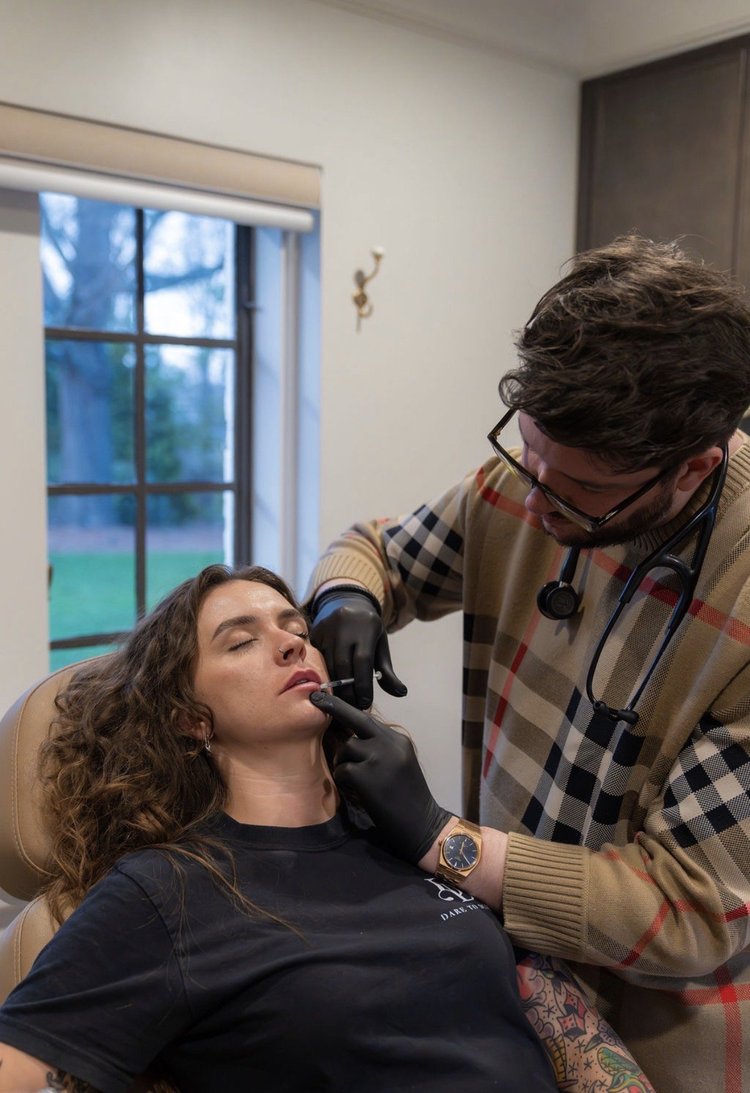
A medical professional wearing glasses, a plaid sweater, black gloves, and a stethoscope administers an injection near a reclining woman's lips. The woman has curly brown hair and wears a black shirt. The treatment takes place indoors beside a large window.
Questions worth asking

Questions People Ask About Brown Spots on the Face

As people in Kernersville talk with Bryan Medical & Wellness about facial brown spots, a few concerns come up repeatedly. These answers add detail beyond the basics above so you can make calmer, more informed decisions.

Are brown spots on my face dangerous or just cosmetic?

Many brown spots on the face, such as sun spots, age spots, and post‑inflammatory marks after acne, are benign and primarily a cosmetic concern. However, some skin cancers and precancerous lesions can also appear brown. Warning signs include spots that are new in adulthood, changing quickly, very dark or multicolored, irregular in shape, larger than a pencil eraser, or itchy, painful, or bleeding. Because it is hard to judge on your own, especially if you have a history of sun damage, it is wise to have new or changing spots examined by a medical professional before treating them purely for appearance. A clinic like Bryan Medical & Wellness can help distinguish between cosmetic pigmentation and lesions that need further evaluation or biopsy.

Can sunscreen really make a difference once I already have brown spots?

Yes. Sunscreen will not erase existing spots by itself, but it plays a crucial role in preventing them from darkening and in protecting the results of any treatment you choose. Ultraviolet light can stimulate pigment‑producing cells every day, not just at the beach, so regular exposure through car windows, short walks, and outdoor activities adds up. A broad‑spectrum formula used daily, combined with shade and protective clothing when possible, helps calm this ongoing stimulation. That means any brightening products, peels, or devices you use can work on a more stable canvas instead of fighting a constant stream of new damage. At Bryan Medical & Wellness, sunscreen and simple protective habits are usually part of any pigmentation plan they discuss with patients.

How many laser or IPL sessions will I need for brown spots?

The number of light‑based treatments needed varies widely. Some isolated sun spots respond in just one or two sessions, while widespread sun damage, redness, or melasma‑like patterns may call for a series spaced weeks apart. Your natural skin tone, depth of the pigment, and how conservative or aggressive the settings are all influence the plan. Because over‑treating can backfire, especially on sensitive or darker skin, experienced providers often start cautiously and adjust as they see how you respond. During a consultation for laser therapy at Bryan Medical & Wellness, you can expect the provider to look at your skin in person, discuss realistic timelines, and explain why they recommend a particular number and spacing of sessions instead of promising quick fixes.

Will treating brown spots make my skin look unnatural or uneven?

Thoughtful treatment should make your skin look more even and refreshed, not patchy or over‑processed. Risks of an unnatural result usually come from treating spots in isolation without considering the rest of the face, using overly aggressive settings, or neglecting post‑care and sun protection. In a medically guided aesthetic practice, the provider looks at overall tone, texture, and your personal preferences. Some patients prefer to soften the contrast of spots rather than erase every mark, especially if they like a natural, lived‑in look. Bryan Medical & Wellness emphasizes natural‑looking outcomes across their aesthetic services, which means they are likely to talk with you about how much change you want and plan treatments that blend areas rather than creating obvious "polka dots" or sharp lines of demarcation.

What should I bring to my first appointment about brown spots?

To get the most from your visit, bring a list of your current skin‑care products, including prescription creams, over‑the‑counter treatments, and any recent peels or laser procedures from other clinics. Note any medications or supplements you take, especially those that increase sun sensitivity or affect hormones. If possible, gather past biopsy or dermatology reports related to moles or spots, and think ahead about your goals: Are you hoping for subtle brightening, or do the spots feel like your main cosmetic concern? At Bryan Medical & Wellness, visits are designed to be unhurried, so having this information ready helps your provider spend more time on education and planning, and less on guessing what you have already tried.


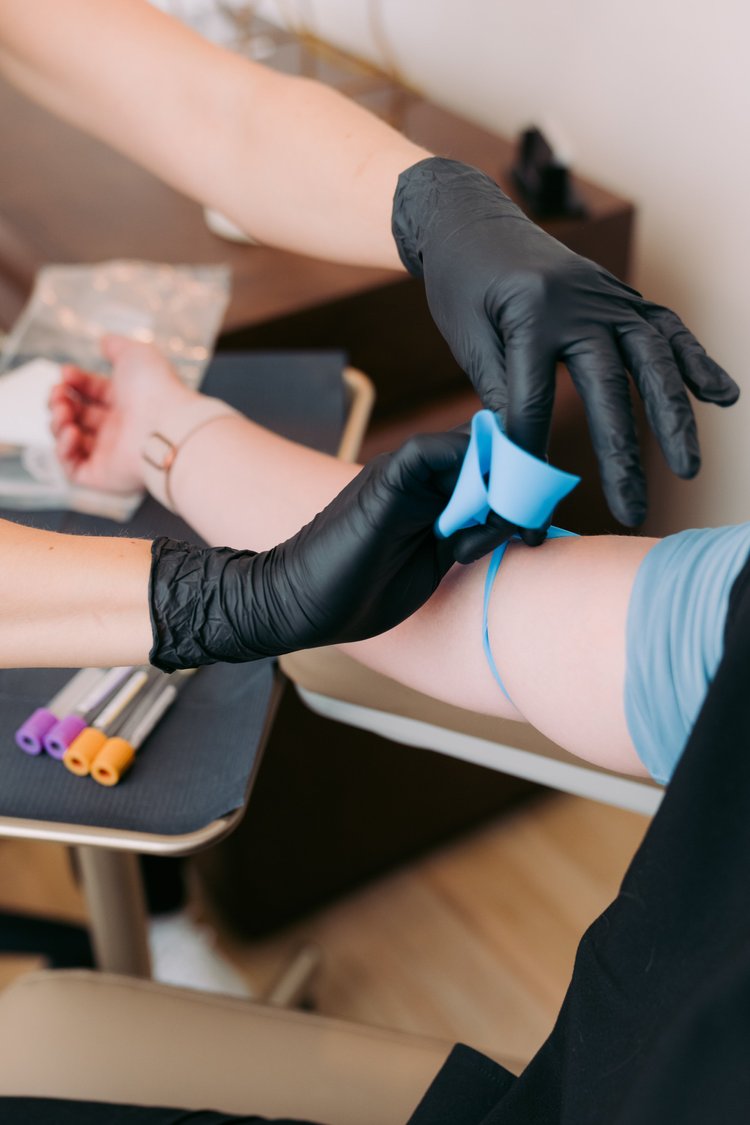
A healthcare professional wearing black gloves places a blue elastic tourniquet around a patient's upper arm. The patient is wearing a light blue sleeve, and several blood collection tubes with colored caps are visible on a nearby tray.
Your next step

Ready to Talk About Your Brown Spots With a Medical Professional?

If brown spots on your face are starting to bother you, you do not have to sort through options alone. A calm, thorough visit with a medical provider can clarify what is going on in your skin and what level of treatment fits your life. To schedule a consultation with Bryan Medical & Wellness in Kernersville, you can call 336-992-0491, email officestaff@bryanmw.com, or book online through the clinic's website. During your visit, you can ask questions, review potential aesthetic and laser therapies, and work together on a plan that respects both your health and your appearance goals.