Business photo
Choosing the right person with the needle

Does It Matter If My Injector Also Practices Primary Care?

If you are thinking about Botox, filler, or other injections, you may notice that some injectors also run a primary care or wellness practice. Others work only in aesthetics. This page walks through what actually changes when your injector also manages routine medical care, which patients tend to benefit from that model, and which questions help you decide if it fits your life, your health, and your comfort level.

The short answer

What matters most

Yes, it can matter whether your injector also practices primary care, but not in the way a slogan or ad might suggest. What matters most is real medical training, careful evaluation, and thoughtful follow-up. A clinician who provides both primary care and injectables often brings a deeper understanding of your health history, medications, hormones, and long-term goals, which can strengthen safety and make plans more personalized. It may also mean easier coordination between your routine care, weight or hormone support, and aesthetic treatments. However, not every primary care provider is skilled in aesthetics, and not every aesthetic-only injector lacks medical depth. The key is to look at an individual provider’s credentials, experience with injectables, comfort managing complications, and how well they communicate. Clinics like Bryan Medical & Wellness in Kernersville, NC are structured around this combined approach: medically guided primary care memberships alongside aesthetics, laser therapy, hormone optimization, medical weight loss, and wellness under the direction of nationally certified physician assistant Daniel J. Bryan-Ledwell, PA-C, MSPAS.

01Whether your injector also practices primary care matters less than whether they have strong medical training, clear safety plans, and time to listen to you.↗
02A provider who manages both primary care and aesthetics can draw on deeper knowledge of your health history, medications, and hormones when planning injections.↗
03Combining primary care, aesthetics, laser therapy, and hormone or weight support under one roof can simplify follow‑up and create more coordinated, long‑term care.↗
04Not every primary care clinician is experienced with injectables, and not every aesthetic‑only injector lacks medical depth, so you still need to ask about training and experience.↗
05In Kernersville, Bryan Medical & Wellness offers this combined model under the direction of nationally certified physician assistant Daniel J. Bryan-Ledwell, PA-C, MSPAS, with a focus on natural-looking results and relationship-based care.↗

Business photo
A visual pause

How combined primary care and aesthetics actually work

A useful way to think about it

How combined primary care and aesthetics actually work

On paper, “primary care plus injectables” may sound like a marketing line. In real life, it changes how your provider thinks about risk, planning, and long-term results. Here is how that looks from the exam room side.

01

1. How your overall health ties into injectables

Botox, filler, and other cosmetic injections are often presented as quick, surface-level fixes. Medically, they interact with your body just like any other prescription treatment. Your medications, medical conditions, allergies, and even your sleep and stress can influence how you respond. A provider who also manages your primary care usually has a fuller picture of that background. They already know about your blood pressure, migraines, autoimmune conditions, or blood thinners. That can shape which products they recommend, how conservative they start, and how they monitor you afterward. It does not mean someone who only does aesthetics cannot gather that information; it means less time guessing and repeating your story, and more time using what they already know to tailor a safe plan.

02

2. Safety, complications, and who handles what

Most injectable visits are uneventful. But part of choosing an injector is deciding who you trust if something does not go as expected. Side effects range from temporary swelling or bruising to rare but serious complications that require fast medical attention. Clinicians who practice both primary care and aesthetics are accustomed to diagnosing and managing a wide variety of medical issues. They are used to weighing risks, recognizing when something is not typical, and coordinating care if a specialist is needed. That background can be reassuring if you are anxious about “what if” scenarios. The key is not the label on the door, but whether the individual injector can clearly explain how they handle concerns, who you call after hours, and what specific steps they would take if a complication occurred.

03

3. Continuity of care and long-term planning

Many people do not just get one injection and stop forever. They might have Botox a few times a year, filler every year or two, and skin treatments in between. At the same time, their health, hormones, medications, and stress levels keep changing. Seeing the same medical team for both primary care and aesthetics can make this long view easier. The provider witnesses how your face and body change across seasons, pregnancies, menopause, new medications, or weight shifts. They can adjust your aesthetic plan when they adjust your blood pressure medication or start you on a new hormone regimen. Instead of a patchwork of disconnected visits, you get a single record and a single team tracking how everything fits together over time.

Decision guide

How to decide if a primary-care-based injector fits you

Instead of focusing on labels like “med spa” or “primary care clinic,” it helps to ask how each model lines up with your medical needs, schedule, and comfort level. Use these angles to sort out your choices.

01

Clarify your goals: cosmetic only, or broader wellness too?

If you are only interested in a one‑time, very simple cosmetic tweak, you may feel comfortable in a wide range of settings as long as the injector is properly trained and you feel heard. But if you suspect your concerns tie into deeper issues, a primary-care-based injector can be helpful. For example, if you are frustrated by looking tired, gaining weight, or noticing skin changes, you may benefit from someone who can look at your hormones, sleep, nutrition, and stress in addition to talking about filler or Botox. Ask yourself: Do I want someone who purely focuses on the cosmetic result, or do I want a team that can help explore medical and lifestyle pieces at the same time? Your answer will point you toward either a dedicated aesthetic practice or a combined medical and wellness clinic.

02

Look closely at training and experience, not just titles

“Primary care” on a website does not automatically mean someone is skilled with a syringe, and “med spa” does not automatically mean a lack of medical oversight. Before you book, ask specific questions: What license does the injector hold? How were they trained in aesthetics? How many years have they been performing the specific treatment you are considering? Who provides medical oversight if they are not a prescriber? At Bryan Medical & Wellness, aesthetic and wellness services are directed by Daniel J. Bryan-Ledwell, PA-C, MSPAS, a nationally certified physician assistant. When you compare any practice, look for similar clarity about credentials and roles so you are not left guessing who is responsible for your care.

03

Assess how the clinic handles time, access, and communication

For many people, the real benefit of combining primary care with aesthetics is not just medical depth but how the relationship feels day to day. Longer visits, easier ways to reach your provider, and clear follow‑up can reduce anxiety before and after injections. Ask each clinic: How long are typical aesthetic appointments? How can I contact you with questions later? Are you comfortable adjusting the plan slowly if I am nervous about change? Practices structured around memberships or ongoing care, like Bryan Medical & Wellness, often build in more time and direct communication than high‑volume, one‑off models. Decide which rhythm matches your personality and schedule: quick in‑and‑out visits, or a slower, relationship-based approach.

04

Consider convenience and how many places you want to coordinate

Every new office you add to your life means new forms, new portals, and new people to get to know. Some people love having one medical home where their blood pressure, hormones, skin, and injectables are all discussed. Others prefer to separate cosmetic care from routine health needs. Think about how often you want visits, how far you are willing to drive, and how organized you like your records. If you are juggling work, family, and chronic conditions, having one team in Kernersville managing both primary care and aesthetics may make things simpler. If you enjoy traveling for “treat yourself” cosmetic days, you may not mind separate locations, as long as everyone communicates clearly and you keep your health history updated in each place.

Evidence and expectations
PROOF

What we can say with confidence about this model

There is plenty of hype around aesthetics, but your decision deserves more than social media promises. Here is what is specifically documented about Bryan Medical & Wellness and its team, and what that evidence means for you.

Documented medical credentials and scope of care

The clinic lists Daniel J. Bryan-Ledwell, PA-C, MSPAS as its medical lead, and he is a nationally certified physician assistant. That credential means he has completed an accredited physician assistant program, passed national certification, and practices medicine under the appropriate supervising structure. In this clinic, that role covers direct and traditional primary care memberships alongside aesthetics, laser therapies, hormone optimization, medical weight loss, and broader wellness care. For you as a patient, this confirms that the same clinician thinking through your injectables is trained to diagnose and manage medical conditions, interpret labs, and coordinate comprehensive care, not just perform isolated cosmetic procedures.

Patient feedback on environment and relationship

Online reviews describe the office as clean, welcoming, and physically comfortable, which matters more than aesthetics alone. Patients like Renee mention feeling immediately relaxed walking into the “absolutely gorgeous” space and describe friendly staff who help them commit to multi‑session treatments such as microneedling. Other reviewers like Ashley and Taylor describe being treated “like family,” feeling heard, and experiencing genuinely caring interactions with both staff and Daniel. While every experience is individual, this kind of feedback suggests that the combined primary care and aesthetics model at Bryan Medical & Wellness is being delivered in a way that emphasizes warmth, time, and emotional safety rather than rushed, transactional visits.

Real-world examples of ongoing, coordinated care

The services offered under one roof include primary care, full‑service aesthetics, laser therapy, hormone and weight balance, and overall wellness planning. That range allows for care plans that consider how each area influences the others. For instance, a patient pursuing medical weight loss can have their labs, hormone levels, and medication plan monitored while also discussing how weight changes might alter facial volume or skin. Someone seeking help for feeling tired and “worn down” can be evaluated for hormonal and lifestyle contributors at the same time as planning gentle aesthetic treatments that help them look more like how they want to feel. The documented structure supports the idea that your injector here is not working in isolation but as part of a holistic medical approach.

Business photo

What this choice looks like in and around Kernersville

In the Kernersville area, you will see a wide mix of options: large med spas, plastic surgery offices, smaller aesthetic boutiques, and medically led clinics that combine primary care with wellness and aesthetics. Because Kernersville sits between larger cities, you may also be weighing whether to drive to Winston-Salem or Greensboro for each visit. Choosing a clinic that offers both primary care and injectables locally can reduce that back‑and‑forth. If you live, work, or have kids in the area, being able to schedule a skin treatment, weight follow‑up, or routine checkup without leaving town can make it easier to stick with the plan rather than putting things off. When you compare Kernersville practices, look at how easy it is to reach your provider between visits, whether they understand the demands of local families and commuters, and how often they recommend in‑person follow‑up for treatments that require maintenance, like Botox or laser hair reduction.

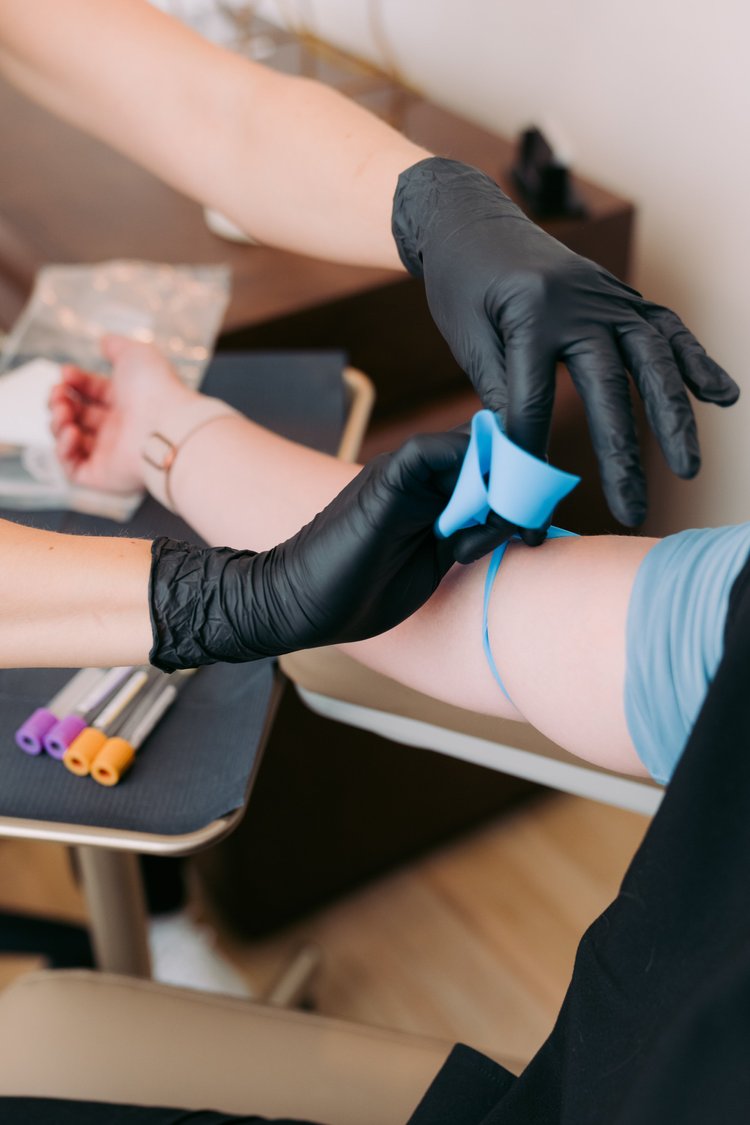
A healthcare professional wearing black gloves places a blue elastic tourniquet around a patient's upper arm. The patient is wearing a light blue sleeve, and several blood collection tubes with colored caps are visible on a nearby tray.
Questions worth asking

Questions people often ask about combining injectables and primary care

If you are still unsure about seeing the same person for health concerns and cosmetic treatments, you are not alone. These questions come up often in conversation with new patients.

If my injector is also my primary care provider, will visits feel too clinical or serious?

Not necessarily. At some clinics, combined primary care and aesthetic services actually create a more relaxed atmosphere because the relationship is broader than a single cosmetic goal. At Bryan Medical & Wellness, reviews highlight a warm, family-like environment and a beautiful, calm office rather than a cold medical feel. During an aesthetic visit, the tone can still be light and collaborative, with time to talk about what you hope to see in the mirror. The difference is that if a medical concern comes up mid‑conversation, the provider is already equipped to address it or plan a follow‑up. If you prefer a spa-like escape with robes and music above all else, a dedicated med spa may appeal more. If you want comfort plus medical depth, a clinic-based setting can bridge both.

Could there be downsides to seeing the same person for health care and injectables?

Some people like keeping their cosmetic choices entirely separate from their medical chart or family discussions, especially if they have strong feelings about privacy. Others worry they might feel self‑conscious bringing up wrinkles or lip volume with the same person who manages serious health issues. If that sounds like you, think about your comfort level with vulnerability. Ask the provider how they document aesthetic visits, who has access to those notes, and how they handle sensitive topics. In a well-run clinic, your preferences are respected either way. You might choose to let your primary care provider handle most things but see another injector in the same practice or a different location for specific treatments if that separation feels better to you.

Do I have to become a primary care patient to get injectables at Bryan Medical & Wellness?

No. The clinic offers primary care memberships and traditional primary care, but it also welcomes patients who are specifically interested in aesthetics, laser therapy, hormone optimization, or medical weight loss. You can come in for a focused aesthetic or wellness consultation without committing to a primary care relationship. During that visit, the team will still review your health history, medications, and concerns, because safety depends on that context. From there, you can decide whether you would like them to handle routine primary care in the future or simply coordinate with your existing doctor. You are not locked into an all‑or‑nothing arrangement.

How does hormone or weight management tie into injectables and skin treatments?

Hormones, weight, and metabolism can significantly change how your face and body look and feel. Shifts in estrogen or testosterone can affect skin thickness, dryness, and elasticity. Weight gain or loss can reveal or soften lines, alter facial volume, and change how filler or Botox appears over time. At a clinic that offers hormone and weight balance as well as aesthetics, your injector can factor those dynamics into treatment planning. For example, they may recommend delaying certain injections until a new hormone regimen has stabilized, or they may suggest combining a medical weight plan with specific skin or laser treatments to support how your skin adjusts. This does not mean hormones are always part of the solution, but having that option in‑house widens the conversation beyond “more product.”

What should I bring to a consultation with an injector who also does primary care?

For your first visit, bring a current list of medications and supplements, any known allergies, and a brief history of significant medical conditions or surgeries. If you have had injectables or laser treatments elsewhere, try to recall what products were used, how much, and how your skin responded, even if you do not have exact records. If you are open to discussing broader health or wellness goals, jot down symptoms that have been bothering you,fatigue, sleep problems, mood changes, or weight shifts,since these may intersect with your cosmetic concerns. At Bryan Medical & Wellness, the team uses this information to tailor both safety checks and treatment ideas so you are not treated like a generic “before and after” picture.

Your next step

Want one team for your health, skin, and wellness?

If you like the idea of having your routine care, weight or hormone support, and aesthetic treatments in one place, a visit is the clearest way to see whether the fit feels right. At Bryan Medical & Wellness in Kernersville, NC, new patients start with a calm, unhurried conversation about goals, medical history, and comfort level before anyone suggests a plan. You can call or text 336-992-0491, email officestaff@bryanmw.com, or use the online booking link to schedule a primary care consultation, aesthetics visit, or laser, hormone, and weight balance evaluation. Bring your questions, your medication list, and your concerns about looking “overdone” or being rushed. The team’s job is to help you sort through options, not to push you into a particular treatment that day.