Business photo
Face looks worn out, but you don't feel that way?

Why Do I Look Tired Even When I Feel Rested?

Many people see tired eyes, dull skin, or a worn-out expression in the mirror even after a full night's sleep. That disconnect can be frustrating and confusing. This page unpacks what might really be going on,from normal aging and screen time to hormones and medical conditions,and how a thoughtful Kernersville medical practice approaches the workup and treatment plan so you can look more like you actually feel.

The short answer

What matters most

Looking tired even when you feel rested is usually caused by a mix of issues beyond sleep,such as aging around the eyes, changes in facial volume, sun damage, allergies, stress, hormone shifts, weight changes, or medical problems like anemia or thyroid disease. At Bryan Medical & Wellness in Kernersville, NC, patients can have these possibilities reviewed in one place, from primary care and lab evaluation to aesthetics, laser treatments, hormone optimization, and medical weight-loss support under the direction of nationally certified physician assistant Daniel J. Bryan-Ledwell. A focused visit lets you sort out what is medical, what is lifestyle or hormonal, and what is purely cosmetic so you can choose only the options that fit your goals.

01Looking tired even when you feel rested is usually caused by a combination of aging, lifestyle, skin changes, hormones, and medical factors,not just sleep quality.↗
02Careful evaluation matters because some appearance changes, such as dark circles or puffiness, can signal treatable conditions like allergies, anemia, thyroid issues, or hormonal shifts.↗
03A medically led practice can review your health, labs, medications, and daily routine before recommending aesthetic or laser treatments, rather than assuming the issue is purely cosmetic.↗
04When cosmetic care is appropriate, conservative, natural-looking treatments that respect your features and expressions tend to feel more like "you, refreshed" than a complete transformation.↗
05Local access to integrated primary care, hormone support, aesthetics, and laser therapy in Kernersville makes it easier to get ongoing guidance, follow-up, and adjustments as your needs change over time.↗

Business photo
A visual pause

Why Does Your Face Look Tired?

A useful way to think about it

Understanding why your face looks tired

Before you jump into eye creams or quick cosmetic fixes, it helps to understand what "tired" actually means on a face. Often, several small changes add up over time, and the best plan starts with sorting them out one by one.

01

Common facial signs that read as "tired"

People often use the word "tired" to describe several different changes they see in the mirror. For some, it is dark circles or bags under the eyes. Others notice flatter cheeks, deeper smile lines, or a downturned mouth that makes them look sad or upset. You might see uneven skin tone, redness, or brown spots that make your complexion look dull. Fine lines on the forehead, between the brows, or around the eyes can make your expression look tense even when you are relaxed. Recognizing which features actually bother you is the first step. A provider will usually start by asking, "Where do your eyes go first when you look at photos of yourself?"

02

Aging and anatomy: what changes over time

Even if you sleep well and feel energetic, your face naturally changes with age. The bone and fat that support your cheeks and under-eyes gradually shift, which can create hollows, shadows, and more obvious under-eye grooves. Skin also becomes thinner, making underlying blood vessels show through and exaggerate the look of dark circles. Ligaments that once held everything tightly in place relax, so fullness under the eyes or along the jawline becomes more visible. None of this means anything is "wrong" with you medically, but these structural changes are a major reason people say their face looks more worn out than they feel inside.

03

Lifestyle and environment: screens, sun, and stress

Modern life in and around Kernersville is rough on skin and eyes. Hours of screen time can lead to eye strain and subtle squinting that deepens lines around the eyes and between the brows. Outdoor activities, sports, or yard work in the North Carolina sun can contribute to sun damage, uneven tone, and broken capillaries that give the skin a tired, blotchy look. Chronic stress affects facial expression and muscle tension, making you unconsciously furrow your brow or clench your jaw. Even if you are functioning fine, your face may be carrying a story of long days, digital strain, and emotional load that shows up as fatigue in photos and the mirror.

Decision guide

Planning your next steps with clarity

Once you recognize the likely causes behind your tired look, the next question is what to do about them. You can handle some issues at home, while others are better checked by a medical professional or addressed with aesthetic care.

01

When home care is enough,and when it is not

Some contributors to a tired look respond well to simple changes: better lighting and posture for screen work, consistent sunscreen, gentle skincare, and managing allergies that cause puffy eyes. If your concern is mild and recent, giving these steps a few months may be reasonable. However, if you have already tried good sleep, hydration, skincare, and lifestyle changes without seeing improvement, or if you notice other symptoms such as hair loss, feeling cold, rapid weight change, or mood shifts, it is wise to involve a medical professional. That visit is about more than products; it is about making sure your appearance changes are not signaling a deeper health issue that deserves attention.

02

Choosing the right type of visit: primary care, hormones, or aesthetics

Because looking tired can come from several directions at once, different appointment types may make sense. If you suspect something medical,fatigue, brain fog, weight changes, new headaches, or changes in your periods or libido,starting with a primary care or hormone and weight balance visit allows a provider to check labs, medications, sleep, and overall health. If you feel well and simply dislike how your skin or facial features have changed, an aesthetics consultation may be a better starting point. In a practice that offers both primary care and aesthetic services, you can move between these visit types as needed while keeping one team familiar with your whole picture.

03

Questions to ask any provider about a "tired" appearance

To get real answers rather than generic advice, come prepared with questions. Ask how they will distinguish between medical causes, hormone or weight-related factors, and purely cosmetic changes. Request that they walk you through any recommended tests or treatments in plain language, including benefits, risks, and alternatives. If aesthetic options such as injectables, skincare, or laser therapy are discussed, ask what results are realistic for your specific face and how subtle or dramatic they expect the change to be. Finally, ask how follow-up works,who you contact with questions, how quickly they respond, and how they handle adjustments if something does not feel right after treatment.

04

Planning for natural-looking improvements instead of a new face

Many people who are bothered by looking tired are not asking to look decades younger; they simply want their face to match their level of energy and mood. A thoughtful provider will respect that. During a consultation, you can point out photos where you feel you look like yourself and others where you do not like your expression. From there, the plan may focus on small, layered steps,skincare and sun protection, conservative injectables in key areas, or targeted laser treatments,rather than a sudden, dramatic change. This approach requires more conversation and follow-up, but it typically keeps you feeling like yourself, just more refreshed.

Evidence and expectations
PROOF

How a medically led Kernersville clinic approaches this concern

Many patients first come to Bryan Medical & Wellness saying, "I'm sleeping fine, but I look worn out." Here is how verified training, experience, and patient feedback shape the way this concern is evaluated and treated.

Medically trained leadership for a complex concern

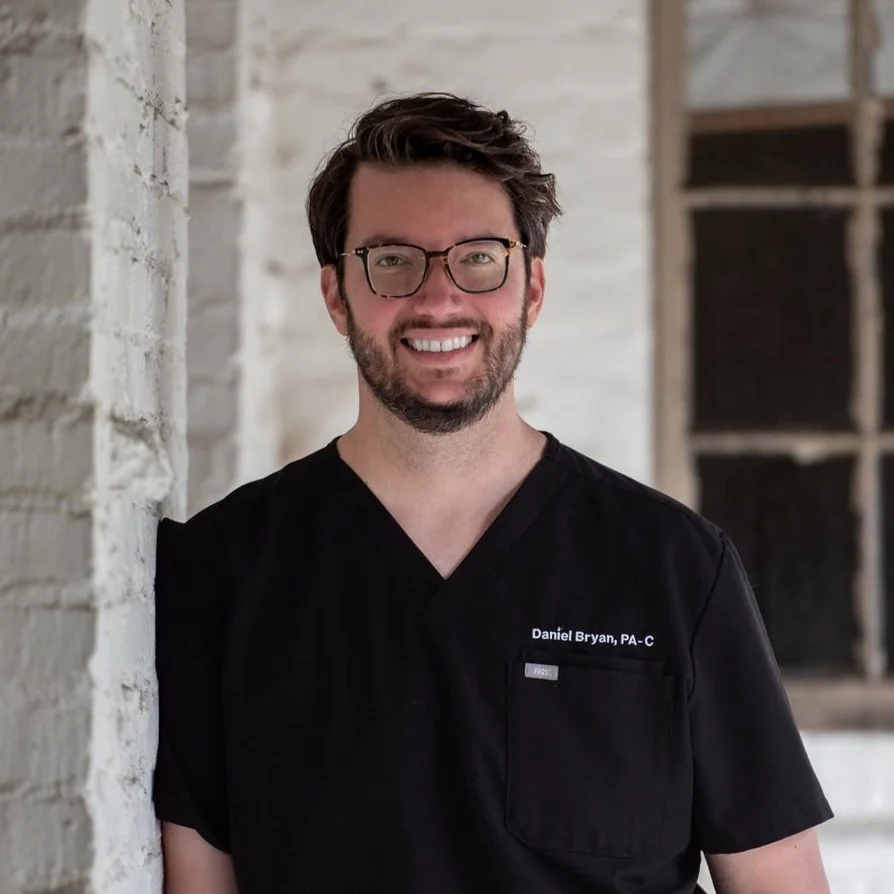
Sorting out why someone looks tired involves more than picking an eye cream. It often requires understanding how medical conditions, medications, hormones, and aging interact. Bryan Medical & Wellness is led by Daniel Bryan-Ledwell, PA-C, MSPAS, a nationally certified physician assistant. That training emphasizes both diagnosis and ongoing management of health conditions, which is valuable when a cosmetic concern might have deeper roots. Patients can have their blood pressure, thyroid, anemia risk, or hormone concerns evaluated in the same practice that discusses injectables or laser options, reducing the chance that a strictly cosmetic setting overlooks a medical contributor.

Patient reviews highlighting comfort and attentive care

People who feel self-conscious about their appearance often worry about being judged or rushed. Verified patient reviews describe a very different experience. One patient, Renee, shared that the office environment is beautiful, relaxing, and welcoming, and that her microneedling treatments for "over 50 skin" have been planned in a series with clear expectations for results over time. Others, like Ashley and Taylor, emphasize how kind and attentive the team is, how clean and inviting the space feels, and how they are treated like family rather than a number. That kind of environment matters when you are talking about something as personal as looking perpetually tired.

Integrated services for health, hormones, and appearance

Because Bryan Medical & Wellness offers primary care, hormone and weight management, laser therapy, and a full range of aesthetic treatments under one roof, patients do not have to cobble together a plan on their own. Someone whose tired look is driven mostly by uneven tone or redness might focus on laser or skincare, while another whose appearance reflects hormonal shifts or weight changes might first work on hormone balance and medical weight support. For chronic illnesses such as high blood pressure or diabetes, primary care services can work in parallel with aesthetic treatments. The goal is not to sell every service, but to match the mix of medical and cosmetic care to what is actually driving your particular concern.

Business photo

What looking "tired" means for patients in Kernersville and the Triad

Living in the Triad means juggling work, driving, family life, and plenty of North Carolina sun. All of that can show up on your face, whether or not you are actually exhausted. Local patients often deal with long commutes, outdoor activities, and seasonal allergies that leave their eyes puffy or their skin blotchy. A nearby practice that understands these patterns can look at your daily routine, environment, and schedule as part of the evaluation. That also makes it easier to plan treatments that fit real life here,shorter visits you can reach from Kernersville, Winston-Salem, or Greensboro, and ongoing follow-up that does not require a long, complicated drive every time you have a question or need a small adjustment.

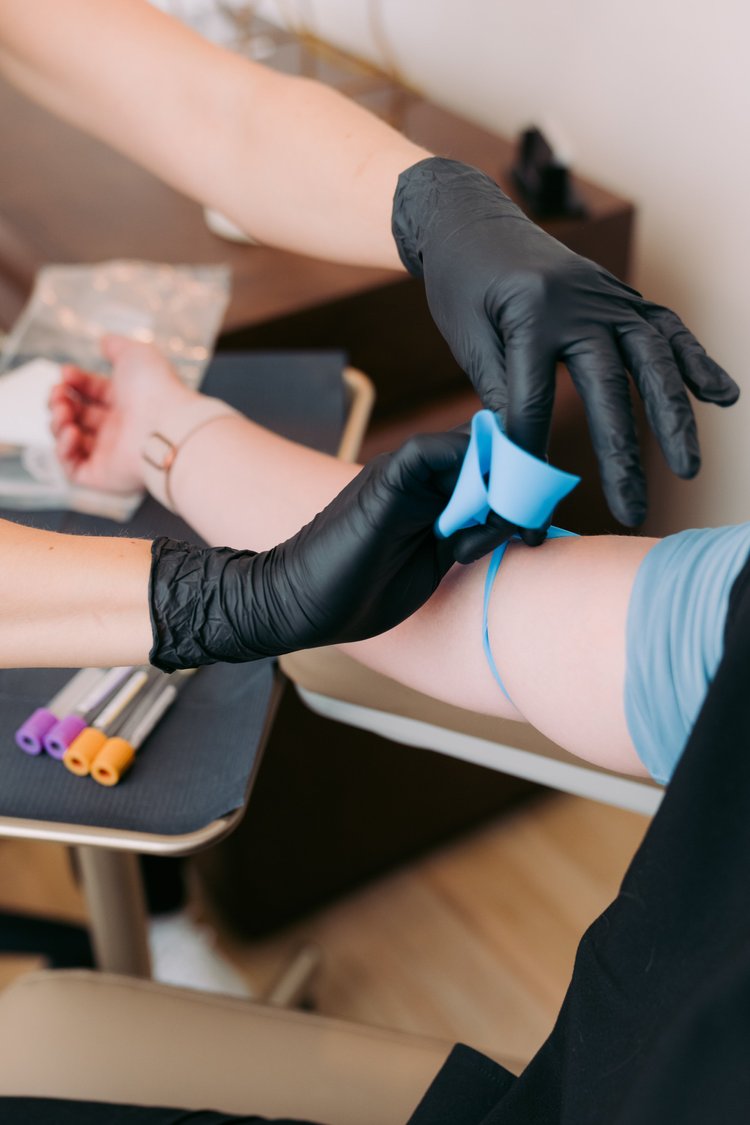
A healthcare professional wearing black gloves places a blue elastic tourniquet around a patient's upper arm. The patient is wearing a light blue sleeve, and several blood collection tubes with colored caps are visible on a nearby tray.
Questions worth asking

Questions people ask about always looking tired

If you are staring at under-eye circles in the mirror wondering what changed, you are not alone. These questions come up often in the exam room when patients bring up a tired appearance.

Could my hormones make me look tired even if I am sleeping well?

Yes. Hormonal shifts,such as thyroid disorders, perimenopause, menopause, or other imbalances,can change your skin texture, cause dryness, contribute to weight gain or puffiness, and affect how rested you look. Even if you feel emotionally stable and are getting enough hours of sleep, you might notice dull skin, new dark circles, or changes in where you carry fluid and fat. If you suspect hormones may be a factor, a hormone and weight balance evaluation can include a medical history, discussion of your cycles and symptoms, and targeted lab work. That information helps separate normal aging from treatable hormonal issues.

What medical problems can make my face look exhausted?

Several health conditions can alter your appearance in ways that read as fatigue. Common examples include anemia, thyroid disorders, uncontrolled allergies, chronic sinus issues, sleep apnea, depression, and some vitamin deficiencies. Certain medications can also cause swelling, dark circles, or changes in skin tone. If your tired look developed fairly quickly, or if you also feel weak, short of breath, unusually cold or hot, or notice hair loss or changes in your periods, those clues are important. A primary care visit allows a provider to listen to your story, examine you, and order appropriate testing instead of guessing from the outside.

If I only care about my under-eye circles, do I still need a medical check?

Not everyone with under-eye circles needs bloodwork or a full medical workup, especially if you have had them since childhood and feel entirely well. However, a brief medical screen is still helpful before jumping straight to cosmetic fixes. A provider can ask targeted questions about allergies, nasal congestion, sleep quality, snoring, family traits, medications, and recent changes in your health. If nothing concerning turns up, you can move on to discussing skincare, injectables, laser, or other aesthetic options with more confidence that you are not overlooking a health problem that could be addressed directly.

Can aesthetic treatments alone make me look less tired?

They can, when used thoughtfully and for the right reasons. Aesthetic treatments can brighten and smooth the skin, soften lines that make you look upset or worn out, and restore some volume where fat and bone have shifted with age. Laser therapy may improve redness and sun spots, while injectables can address specific folds or shadows. However, cosmetic work should not be used to hide symptoms of an untreated medical condition. A responsible practice will first ask questions to rule out red flags, then suggest a conservative approach that aims for a refreshed version of you,not a face you do not recognize.

How long does it take to see a difference once I address the causes?

The timeline depends on what is driving your tired appearance and which treatments you choose. Lifestyle changes, better sleep routines, and allergy management can sometimes make a visible difference within a few weeks. Medical treatments for thyroid disorders, anemia, or hormone imbalance may take several weeks to months as your body responds. Aesthetic treatments have their own timelines: some injectables show improvement within days, while collagen-stimulating procedures and laser resurfacing build results over several months. During a consultation, your provider can outline what to expect at each step so you are not discouraged if change is gradual rather than instant.

Your next step

Ready to talk about why you look tired?

If your reflection does not match how you feel, you do not have to figure it out alone or rush into treatment you are unsure about. A calm, thorough visit can sort out what is medical, what is hormonal or lifestyle related, and what is purely cosmetic,and then let you decide how far you want to go. Call 336-992-0491, email officestaff@bryanmw.com, or use the online booking link to schedule a visit with Bryan Medical & Wellness in Kernersville. You can start with primary care, hormone and weight support, or a focused aesthetics consult, knowing you are working with a team that values natural-looking results and clear, honest explanations.