Business photo
Thinking about dermal fillers, but not ready to jump in?

What Can Dermal Fillers Do, and When Are They the Right Choice?

This page walks through what fillers can and cannot do for your face, how to decide if they're the right tool for your specific concerns, and how a calm, medically led visit at Bryan Medical & Wellness in Kernersville turns questions into a clear, step-by-step plan rather than a rushed sales pitch.

The short answer

What matters most

Dermal fillers are gel-like products that a trained medical provider injects under the skin to restore or add volume, soften lines, and gently adjust facial contours. They can help with concerns like flattened cheeks, deeper folds around the mouth, early jowling, or lips that have thinned with age, and are designed to refresh your appearance without surgery when they are planned and placed thoughtfully. Fillers are the right choice when your main issue is volume loss or shape, not muscle movement alone. They fit best when you want noticeable but natural-looking change, are comfortable with temporary results that need maintenance, and have had your medical history reviewed by an experienced provider who can weigh fillers against other options such as skincare, laser therapy, Botox, or doing nothing right now. At Bryan Medical & Wellness in Kernersville, NC, that decision happens in a calm consultation that covers your goals, timing, preparation, and a clear next step before any syringe comes near your face.

01Dermal fillers add or restore volume under the skin to soften folds, refill hollows, and refine facial contours without surgery when planned thoughtfully.↗
02Fillers are best suited to concerns related to volume and shape, while expression lines, texture, and color changes may call for Botox, skincare, or laser instead.↗
03Good timing, including scheduling several weeks before major events, helps swelling and bruising resolve and gives filler time to settle naturally.↗
04Preparation should include a detailed medical history, review of your goals and old photos, and enough time with your provider to ask questions and think things through.↗
05Bryan Medical & Wellness in Kernersville offers dermal fillers within a broader medical setting, led by a nationally certified PA and supported by a friendly, attentive team.↗

Business photo
A visual pause

What Can Dermal Fillers Actually Do?

A useful way to think about it

A Practical Guide To What Dermal Fillers Can Actually Do

Before you say yes to filler, it helps to understand how it works on the face, what it can realistically change, and where its limits are. This section walks through the basics in plain language so you can start to picture how (or whether) filler might fit into your plan.

01

How dermal fillers work under the skin

Most modern dermal fillers used for facial aesthetics are made from hyaluronic acid, a gel that closely mimics substances already found in the body. When injected by a trained provider, this gel sits under the skin, taking up space and attracting water. That added support can refill areas that have hollowed or flattened with age and soften shadows and folds that make you look more tired than you feel. Unlike Botox, which relaxes muscle movement, filler is about structure and volume. Different products have different thickness and flexibility, so a thoughtful injector chooses formulations based on the area being treated and the kind of change you want to see.

02

What fillers can realistically help with

Fillers are best at restoring or adding volume where it has been lost or was never there to begin with. Common goals include gently lifting and contouring the cheeks, softening the fold from the nose to the mouth, improving the downturn or heaviness at the corners of the mouth, subtly defining the jawline, and bringing back some of the soft fullness that lips often lose over time. They can also help disguise certain shadows under the eyes or improve mild asymmetry in facial features. When planned well, the goal is not to make you look "filled," but to look more rested, balanced, and like a fresher version of yourself.

03

What fillers cannot do on their own

Fillers are not a cure-all. They cannot replace surgery when there is a lot of loose skin, and adding more and more filler to chase sagging can quickly look heavy or unnatural. They will not significantly tighten stretched skin, erase every fine line, or fix texture concerns such as enlarged pores or acne scars by themselves. Fillers also do not change skin color or treat redness or brown spots; those concerns are better suited for skincare, microneedling, or laser and light-based therapies. A responsible provider will explain where filler helps and where another approach, or no procedure at all, might serve you better.

Decision guide

How to decide if filler is the right step for you right now

Even if filler can technically treat your concern, the timing, amount, and overall plan should be specific to you. Use this section as a thinking checklist so your decision feels deliberate rather than impulsive.

01

Is your main concern volume loss, shape, or motion?

A good starting question is what actually bothers you when you look in the mirror or at photos. If you see deeper lines only when you make certain expressions, muscle-based treatments like Botox may be more appropriate than filler. If the issue is that areas like your cheeks, temples, or lips look deflated, or folds stay visible even when your face is at rest, that often points toward volume loss, where filler can help. Sometimes it is a blend of both. In a consultation at Bryan Medical & Wellness, the provider will watch you both at rest and in motion, then explain which changes are from muscles, which are from volume, and which are from skin quality so you understand why a certain plan is recommended.

02

Timing: when to schedule filler around life events

Because fillers work immediately but settle over days to weeks, timing around important events matters. Many people prefer to schedule at least two weeks, and often closer to a month, before photos, travel, or major gatherings to allow for normal swelling or potential bruising to fade and for the filler to integrate nicely. If you are new to fillers, you may want even more breathing room to make sure you love the change and do not feel rushed into last-minute adjustments. During your visit, your provider can help you map out appointments around work, family commitments, and special occasions so treatment feels smooth instead of stressful.

03

How to prepare for a safe, smooth filler appointment

Thoughtful preparation does not need to be complicated, but it does matter. Before your filler visit, your provider should review your medical history, medications, allergies, and any previous aesthetic treatments. You may be advised to avoid certain over-the-counter products that can increase bruising and to plan meals, childcare, or rides so you are not rushing in and out of the office. It also helps to gather a few photos of yourself from earlier years if your goal is to "look more like I used to," as well as any inspiration images that feel realistic to you. At Bryan Medical & Wellness, this information becomes part of a calm planning conversation instead of a quick checklist at the last minute.

04

Red flags that suggest filler might not be right now

Sometimes the safest, most caring recommendation is to wait or choose another option. Reasons might include medical conditions or medications that raise your risk for complications, a recent major life stressor that makes it hard to process appearance changes, expectations that no realistic filler plan can meet, or pressure from someone else rather than your own desire. If you are pregnant or breastfeeding, filler is usually postponed. A responsible clinic will explain these issues clearly, help you address what can be optimized, and explore other treatments such as skincare, laser, or watchful waiting when that better protects your health and peace of mind.

Evidence and expectations
PROOF

Why medical leadership and real patient experience matter for fillers

Fillers are elective, but they are still medical procedures. Training, follow-through, and environment change your experience and your results. Here is how verified credentials and local patient stories can guide your choice.

Care under a nationally certified physician assistant

At Bryan Medical & Wellness, dermal filler planning and injections are directed by Daniel Bryan-Ledwell, PA-C, MSPAS, a nationally certified physician assistant. That certification indicates formal education, rigorous board exams, and ongoing medical training. For patients considering fillers, this background matters because it means your injector is trained not just in cosmetic technique, but also in anatomy, pharmacology, and medical decision-making. In practice, that shows up in the way your history is reviewed, how risks and benefits are explained, and how other aspects of your health,such as hormones, weight, or medications,are factored into your aesthetic plan.

Patients describe a welcoming, unhurried environment

Local reviews give a window into what it feels like to sit in the waiting room or treatment chair. Patients describe the office as exceptionally clean, gorgeous, and relaxing, with a staff that is friendly and welcoming from the moment you walk in. Several mention that they "immediately feel comfortable and relaxed" and that providers like Britni and Daniel are attentive, kind, and make them feel heard. That atmosphere matters for filler because you are more likely to ask honest questions, speak up about fears, and discuss small details of your ideal outcome when you are not rushed or intimidated.

Real aesthetic patients planning multi-step treatments

Feedback from aesthetics patients at Bryan Medical & Wellness shows that treatments are often planned as part of a series with clear expectations. One patient in her 50s shares that she is undergoing microneedling sessions for her skin, has follow-up appointments already booked, and is excited to see gradual results rather than expecting instant perfection. That kind of staged planning applies to fillers as well. Instead of over-treating in a single visit, a medically led practice can start conservatively, invite you back to assess how you feel and look, and adjust the plan step by step. This approach supports natural results and gives you more control over change.

Business photo

What dermal filler planning looks like in Kernersville, NC

Living in the Triad means you may see choices ranging from large med spas in nearby cities to small practices right in Kernersville. That can make dermal filler planning feel more like shopping than like healthcare. A Kernersville-based practice such as Bryan Medical & Wellness offers a different pace: longer visits, direct communication with your provider, and the ability to weave fillers into broader care like primary care, hormone and weight balance, and laser therapy when that matters to your health or schedule. Being local also affects timing. You are more likely to come in for a true consultation first, then return for filler on a separate day if that feels better for you. It is easier to schedule quick check-ins or touch-ups without carving out a full-day trip to another city. If you are comparing options around the Triad, ask each office how they handle first visits, how often they recommend follow-up, and whether you will see the same injector from consultation through later maintenance. Those answers often shape long-term satisfaction more than the brand of filler in the syringe.

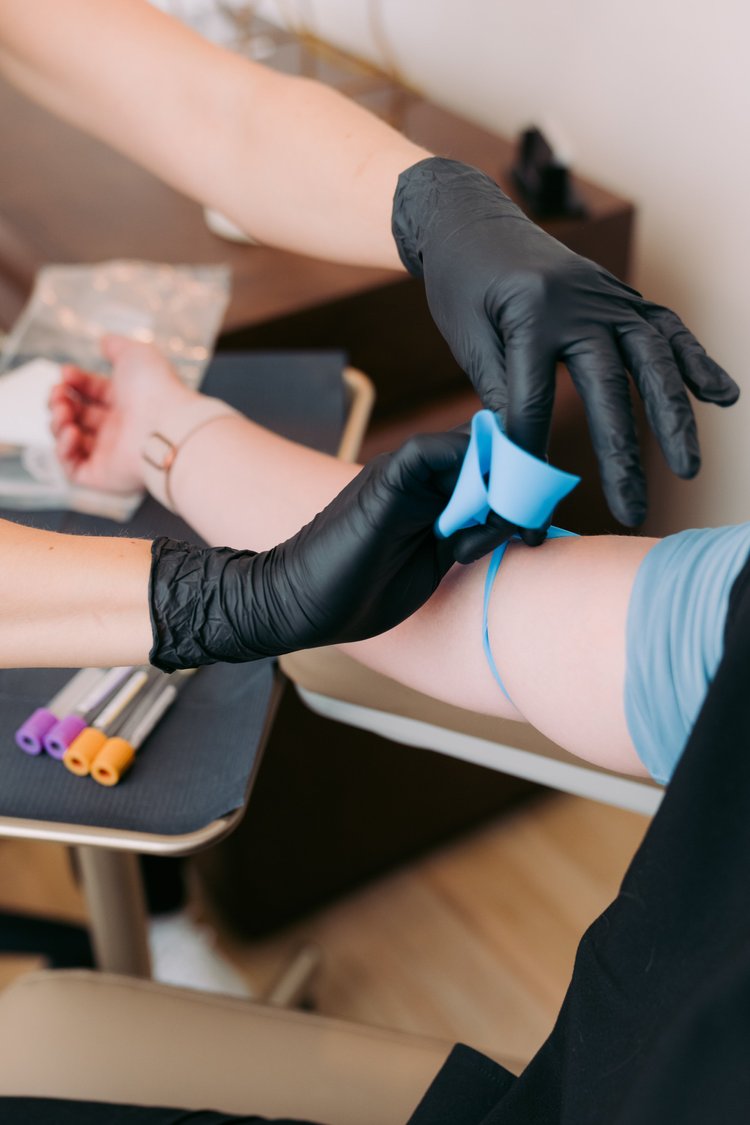
A healthcare professional wearing black gloves places a blue elastic tourniquet around a patient's upper arm. The patient is wearing a light blue sleeve, and several blood collection tubes with colored caps are visible on a nearby tray.
Questions worth asking

Dermal filler questions people rarely ask, but should

If you are researching fillers, you may already know the basics. These questions go a level deeper into safety, expectations, and planning that many people do not think to bring up until they are in the chair.

How long do dermal fillers typically last?

The duration of dermal fillers depends on the specific product used, the area treated, and your own metabolism. Many commonly used hyaluronic acid fillers in areas like the cheeks, nasolabial folds, or lips are designed to last several months to over a year, gradually breaking down over time. Areas that move more, such as the lips, may need maintenance sooner than more stable areas. During a consultation at Bryan Medical & Wellness, your provider can explain the expected timeframe for each area and help you plan a maintenance schedule that fits your comfort level and budget without overcommitting you.

What happens during a first dermal filler consultation?

A thorough first visit should feel like a conversation, not a sales pitch. At Bryan Medical & Wellness, you can expect to review your medical history, current medications, and any prior aesthetic treatments. Your provider will listen to what bothers you, examine your face at rest and in motion, and may take or review photos to understand changes over time. You will hear which concerns filler can address, which might call for other treatments, and what realistic outcomes look like. If you decide to move forward, the next step is a clear plan for timing, preparation, and how much filler to start with, rather than jumping straight into a large treatment you have not had time to think about.

Are dermal filler injections painful?

Most patients describe filler injections as uncomfortable rather than truly painful, and there are several ways to make the experience more manageable. Many filler products include a numbing medication, and your provider can apply topical anesthetic or use other comfort techniques for sensitive areas such as the lips. You might feel brief pressure, pinching, or a sense of fullness as the product is placed. At a practice like Bryan Medical & Wellness, the pace of treatment is adjusted to you. You can ask for breaks, talk through what you are feeling, and work with a provider whose goal is to keep you as relaxed and informed as possible throughout the process.

What should I expect right after dermal filler treatment?

Immediately after filler, you will usually see a change in the treated area, though it may not represent the final result. Mild swelling, redness, or bruising around injection sites is common and typically improves over the first few days. Some areas may feel slightly firm or uneven at first as the product settles. Your provider will give you specific aftercare instructions, such as how to keep the area clean, what to avoid for the first day or two, and when to contact the office if something does not feel right. Practices like Bryan Medical & Wellness also encourage follow-up, so you have a chance to review your results with your injector and discuss any subtle adjustments.

Can dermal fillers be reversed if I do not like the result?

Many hyaluronic acid-based fillers can be adjusted or dissolved using an injectable enzyme that breaks down the product. This can be helpful if you feel overfilled, have an uneven result, or experience certain complications. However, reversal is still a medical procedure with its own risks, so planning carefully up front and starting conservatively remains the safest strategy. In your consultation at Bryan Medical & Wellness, you can ask which specific fillers are being considered, whether they are reversible, and how the practice handles situations where a patient wants changes after treatment. Knowing that process ahead of time often makes the initial decision more comfortable.

Your next step

Ready to talk about fillers with a medical team you can return to?

If you are curious about dermal fillers but still unsure how they would look or feel on you, a calm, no-pressure visit can make the decision much easier. At Bryan Medical & Wellness in Kernersville, NC, you meet with an experienced medical provider who also manages primary care and wellness, so your skin, your health, and your comfort are considered together. You can call or text 336-992-0491, email officestaff@bryanmw.com, or use the online booking link to schedule an aesthetics consultation. Come with your questions, old photos, and any treatments you have had before. You will leave with a personalized plan, a clear sense of timing and preparation, and the space to decide whether you want to move forward with filler now, later, or not at all.