Business photo
Thinking about medical weight loss near Kernersville?

Searching for Medical Weight Loss? What Should a Real Evaluation Include?

If you are researching medical weight loss because diets and apps have not been enough, the first visit can make or break your experience. A real evaluation goes far beyond a quick weigh‑in or a prescription. It should feel like a medical detective visit that looks at your health history, hormones, lifestyle, and goals. This guide walks through that process step by step and shares how a medically led Kernersville practice structures care, so you know what to expect before you book anywhere.

The short answer

What matters most

A real medical weight loss evaluation is a full medical visit, not just a weigh‑in or a fast prescription. At a minimum, it should include a detailed health history, medication review, discussion of your past weight‑loss efforts, a physical exam, and basic lab work to screen for issues like thyroid problems, diabetes, and cholesterol concerns. A thoughtful provider will also ask about sleep, stress, eating patterns, activity level, and possible hormonal changes, then use all of that information to decide whether prescription weight‑loss medicine, hormone support, lifestyle changes, or a combination makes sense and is safe for you. At Bryan Medical & Wellness in Kernersville, NC, medical weight care is part of a broader Hormone & Weight Balance service led by nationally certified physician assistant Daniel J. Bryan‑Ledwell, PA‑C, MSPAS. Patients receive an individualized plan based on this kind of thorough evaluation, rather than a one‑size‑fits‑all program.

01A real medical weight loss evaluation feels like a full medical visit that explores your history, symptoms, and daily life, not just a quick weigh‑in.↗
02Safety requires a careful review of your medical conditions, medications, and family history before anyone prescribes weight‑loss drugs.↗
03Basic labs and a physical exam provide a starting point for understanding whether thyroid, blood sugar, cholesterol, or other issues are playing a role.↗
04Hormones, sleep, stress, and mental health can all influence weight, so a good evaluation asks about far more than food and exercise.↗
05When comparing local options near Kernersville, ask how long the initial visit is, which labs are ordered, and how follow‑up support is structured.↗

Business photo
A visual pause

What a thorough medical weight loss evaluation should actually cover

A useful way to think about it

What a thorough medical weight loss evaluation should actually cover

If you have never had a medically guided weight‑loss visit before, it can be hard to tell whether an office is doing a quick intake or a real evaluation. Use this section as a checklist for questions to ask and signs that the provider is looking at the full picture of your health, not just the number on the scale.

01

1. A real conversation about your story, not just your weight

A thorough evaluation begins with a detailed conversation. The provider should ask when your weight started changing, what seemed to trigger it, and how your weight has behaved over the years. They should ask about pregnancies, surgeries, major illnesses, and life events like job changes, caregiving, or grief that may have affected your habits or stress level. Past diet programs, medications you have tried, and how your body responded all help them understand what has and has not worked for you. You should feel like someone is piecing together a timeline of your health and life, not rushing through a form to get to a prescription pad.

02

2. Medication, medical history, and risk review

Any clinic offering prescription weight‑loss support should carefully review your full medical history. That includes high blood pressure, heart disease, diabetes or prediabetes, sleep apnea, history of blood clots, mood disorders, and any major surgeries. Your current medicines and supplements matter, too, because some can contribute to weight gain while others might not mix safely with weight‑loss drugs. The provider should ask about alcohol, tobacco, and recreational substances, as well as family history of heart problems or endocrine conditions. If they do not ask detailed safety questions, that is a red flag that the evaluation may be too superficial.

03

3. Physical exam and baseline measurements

Beyond stepping on a scale, a thorough visit usually includes measuring your height, blood pressure, heart rate, and possibly waist circumference. Many providers will listen to your heart and lungs, check for swelling in your legs, and look for physical signs of hormonal changes, like changes in hair growth or skin. If you have symptoms like shortness of breath, chest discomfort, or severe fatigue, they should pause to address those concerns before discussing weight‑loss medicine. You should leave feeling that someone looked at you as a whole person in that room, not just as a set of lab results or numbers on a chart.

Decision guide

How to choose a medical weight loss provider near you

Once you know what a proper evaluation looks like, the next step is deciding where to get it. This section offers a practical way to compare local options, including questions you can bring to any first visit or phone call.

01

Compare how much time is scheduled for your first visit

One of the simplest ways to gauge how seriously a clinic takes evaluation is to ask how long the initial visit usually lasts. If the office routinely books only a brief slot for new weight‑loss patients, it may be hard for the provider to ask about your history, review your medicines, perform an exam, and answer questions. In contrast, practices built around a relationship model, including membership‑friendly clinics, often allow more time for conversation and education. When you call, ask directly: How much time will I have with the provider? What is covered at that first visit?

02

Ask which lab tests they typically order and why

Most responsible medical weight‑loss programs start with at least basic blood work. Common tests include blood sugar or A1C, cholesterol levels, kidney and liver function, and thyroid screening. Some clinics also evaluate sex hormones or other markers when symptoms suggest a possible imbalance. You do not need to know exactly which tests you need,that is the provider's job,but you should feel comfortable asking what they are checking and how the results affect your plan. Be cautious about any program that skips labs entirely or cannot clearly explain why certain tests are or are not necessary for you.

03

Clarify how follow‑up and support will work

A single evaluation visit is only the beginning. Ask how often the clinic expects to see you in person, whether they offer virtual check‑ins, and how to reach the team between visits if you have questions or side effects. Some practices integrate weight care into ongoing primary care or wellness memberships, which can make follow‑up easier. Others run on a program model with set visit schedules. Neither approach is automatically better, but you deserve to know how much access you will have to your provider and what happens if you hit a plateau, feel unwell, or need to adjust your plan along the way.

04

Look for alignment with your values and comfort level

Beyond credentials and tests, you should pay attention to how you feel during the conversation. Does the provider listen without shaming you? Do they talk only about the number on the scale, or do they ask about quality of life, energy, sleep, and mood? Are they open about the pros and cons of medicines, including when they might say no? Weight and body image can be emotionally charged; a good fit is a team that makes you feel respected, heard, and part of the decision‑making process. That sense of partnership often predicts how sustainable your plan will feel months down the road.

Evidence and expectations
PROOF

How Bryan Medical & Wellness approaches evaluation and care

You do not need to guess how a reputable clinic thinks about safety, personalization, and follow‑up. Here is how Bryan Medical & Wellness in Kernersville structures care for patients seeking help with hormones, weight, and overall wellness, based on verified information and real patient feedback.

Nationally certified medical leadership

Bryan Medical & Wellness is led by Daniel J. Bryan‑Ledwell, PA‑C, MSPAS, a nationally certified physician assistant. That certification signals completion of a rigorous physician assistant program and ongoing national recertification requirements. In daily practice, it means your evaluation and treatment are guided by a clinician with broad medical training who is accustomed to managing complex histories, medications, and chronic conditions. For patients whose weight concerns overlap with issues like blood pressure, blood sugar, and hormone changes, that kind of medical grounding can be especially reassuring.

Consistent feedback about feeling heard and cared for

Recent patient reviews describe experiences that highlight the clinic's culture around evaluation and care. One reviewer notes that the staff are "so kind, warm, welcoming, and genuinely caring," and calls every visit an "amazing experience." Another shares that Daniel is "very attentive and makes you feel comfortable and heard," while a third emphasizes how relaxing and welcoming the office environment feels from the moment you walk in. While these comments come from various services, they collectively suggest an approach where patients are not rushed through decisions and where questions about health, weight, or appearance are treated with respect.

Integrated approach to hormones, weight, and overall wellness

According to the clinic's public information, Hormone & Weight Balance is part of a broader set of services that also includes primary care, laser therapies, aesthetics, and wellness support. For patients whose weight issues intersect with fatigue, mood changes, or skin and appearance concerns, this can create a more cohesive experience. You can explore options for medical weight guidance in the same setting where your routine health is managed and your questions about hormones or other symptoms can be addressed. This integrated model does not replace the need for a careful evaluation, but it may make it easier to connect the dots between different aspects of your health over time.

Business photo

What medical weight loss looks like in Kernersville and the Triad

Living in the Kernersville and Triad area shapes how you might approach medical weight loss more than many people realize. Commutes to Greensboro, Winston‑Salem, and High Point, shift work, and family schedules can all affect your sleep, eating patterns, and stress level. A local provider who understands that day‑to‑day reality can build a plan that fits your actual life instead of assuming you have hours every day for meal prep and workouts. Because Kernersville sits between larger cities, you may see anything from standalone weight‑loss chains to boutique medical practices. Some focus mostly on group programs or supplements. Others, like a medically led clinic that also provides primary care and hormone support, can connect your weight‑loss plan to your broader health history. When you talk with any local office, ask how they coordinate with your other providers, what kind of follow‑up is available between visits, and how they help you adjust the plan when busy Triad life gets in the way. Those details can matter just as much as which medication or meal structure they recommend.

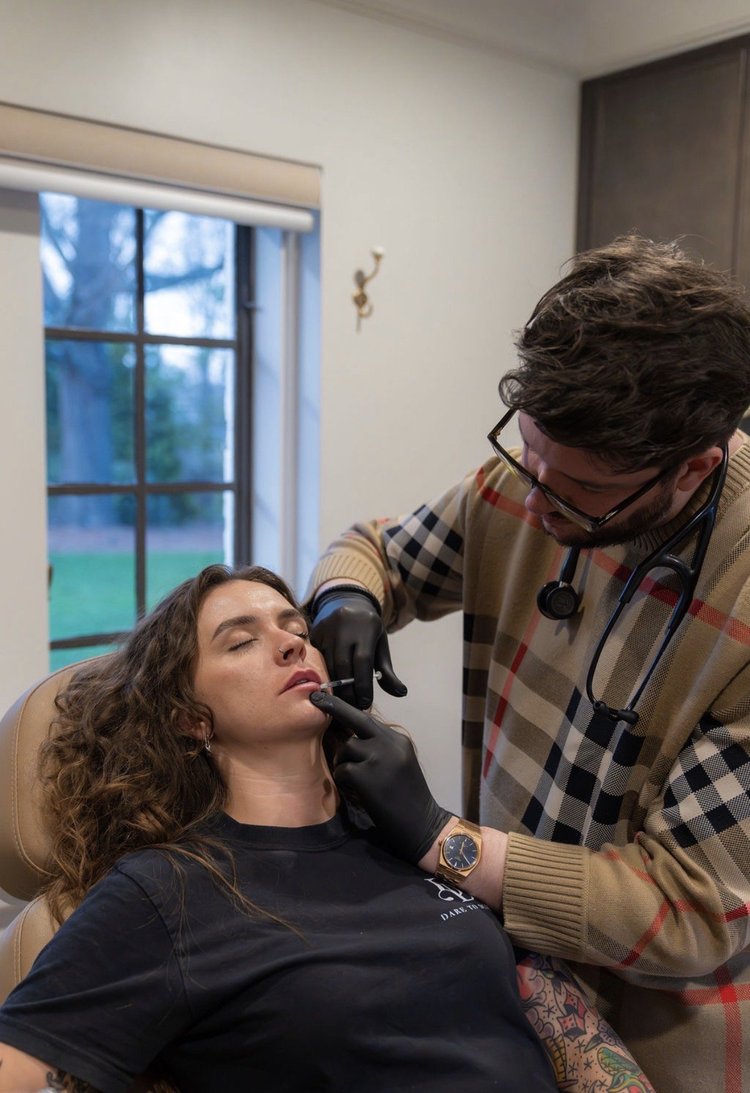
A medical professional wearing glasses, a plaid sweater, black gloves, and a stethoscope administers an injection near a reclining woman's lips. The woman has curly brown hair and wears a black shirt. The treatment takes place indoors beside a large window.
Questions worth asking

Medical weight loss evaluation: specific questions people ask

Once you start looking into medical weight loss, the same worries and what‑ifs tend to come up. These questions go a little deeper into evaluation, safety, and what happens after that first appointment.

Do I have to take medication if I see a medical weight loss provider?

No. A proper evaluation does not commit you to taking medication. In many cases, the provider may recommend lifestyle changes, support for sleep or stress, or addressing hormone issues before or alongside prescription weight‑loss drugs. During your visit, you should be able to ask what options exist without medication, what benefits medicines might offer in your specific situation, and what the risks would be. A thoughtful clinician will explain these choices clearly and respect your preferences, including if you decide to start without medication or delay that step.

How long after my evaluation will I start a medical weight loss plan?

Timing depends on your health status, lab results, and the clinic's process. Some patients leave the first visit with an initial lifestyle plan and prescription, with labs ordered the same day and follow‑up scheduled to review results. Others may need to wait until lab findings return or until another medical issue is addressed. You can ask at your visit what the expected timeline looks like for someone in your situation, how they handle abnormal lab results, and whether any interim steps,like changes in diet, activity, or sleep routines,are recommended while you wait.

What if my labs show a thyroid or hormone issue during evaluation?

If testing suggests that your thyroid, sex hormones, or other endocrine systems are out of balance, your provider should pause and discuss what that means before focusing on weight‑loss medicine. Sometimes correcting an underlying hormonal problem can improve weight, energy, or mood on its own. In other situations, hormone support and weight‑loss medication may be considered together, but only with clear reasoning and monitoring. Clinics that already offer hormone optimization or Hormone & Weight Balance services are often equipped to connect these pieces, or they may coordinate with your existing primary care or specialist.

Can I use a medical weight loss program if I already have a primary care provider?

Yes. Many people seek medical weight‑loss support while continuing to see their existing primary care provider. The key is communication. During your evaluation, let the weight‑loss clinic know who manages your general health, and ask whether they can share visit notes or lab results with that provider. This helps avoid duplicated testing and ensures that someone is watching the whole picture, especially if you have chronic conditions. Some practices, including those that offer both primary care and specialized services under one roof, can manage both aspects for you; others work alongside your existing doctor.

How do I prepare for a medical weight loss evaluation in Kernersville?

You can make the most of your visit by gathering a few details ahead of time. Write down your current medications and supplements, approximate weights and dates for any major weight changes, and a short list of diets or programs you have tried and how they went. Notice your average sleep hours, energy level, and any symptoms such as hot flashes, night sweats, or mood swings that might relate to hormones. If you track steps or activity on a device, bring a rough idea of your normal movement. Finally, think about your top three goals,such as easier movement, more energy, or better blood sugar,so your provider can tailor the plan to what matters most to you.

A healthcare professional wearing black gloves places a blue elastic tourniquet around a patient's upper arm. The patient is wearing a light blue sleeve, and several blood collection tubes with colored caps are visible on a nearby tray.
Your next step

Ready to talk through your own evaluation?

If you are in or near Kernersville and want a thoughtful, medically guided look at your weight, energy, and hormones, Bryan Medical & Wellness offers Hormone & Weight Balance visits designed around conversation, not pressure. You can call or text 336-992-0491, email officestaff@bryanmw.com, or use the online booking tool to schedule a consultation and find out whether medical weight support is a good fit for you right now.