Questions worth asking
Questions people often ask when they are just starting to think about Botox
If Botox is new to you, chances are you have more than one question. Here are some of the most common early questions patients ask a medical clinic, answered in plain language so you can feel more prepared for a consultation.
Is there a “right age” to start Botox?
There is no single age that is automatically right for Botox. Some people explore treatment in their late 20s or early 30s because they notice strong expression lines or want to prevent them from deepening. Others wait until their 40s, 50s, or beyond, when lines at rest become more noticeable. What matters more than age is what your muscles and skin are actually doing, how you feel about those changes, and whether you are healthy enough for treatment. A consultation at a medical clinic can help you see what Botox might change in your specific face and whether more conservative steps, like skincare or lifestyle shifts, should come first.
How should I prepare for a Botox consultation?
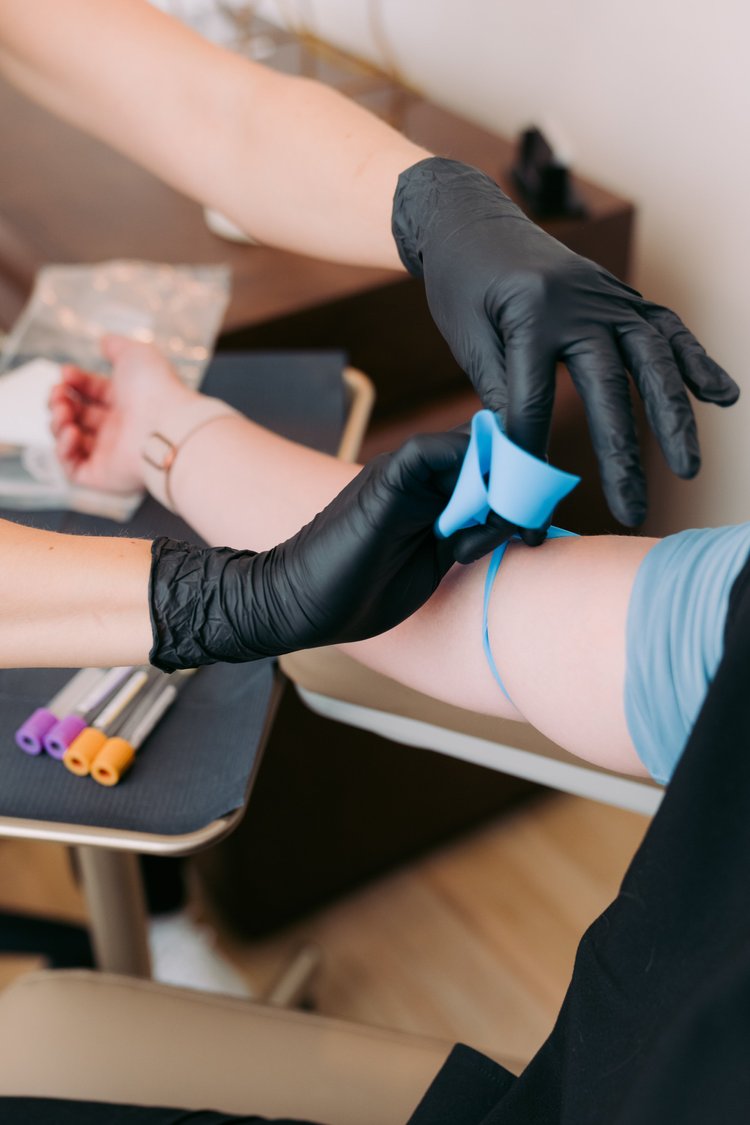
Several simple preparations can make your Botox consultation more productive. First, bring a list of medications, supplements, and past medical issues, including any history of neuromuscular problems or unusual reactions to injections. Second, gather a few photos,recent ones and, if you have them, older photos that show how your face has changed. Third, make a short list of questions and non-negotiables, such as wanting subtle results or needing minimal downtime around work. If you take blood thinners or medicines that increase bleeding, mention that early in the visit. This kind of preparation helps your injector give you tailored guidance instead of guessing from a quick chat.
What happens during the actual Botox treatment?
After your consultation and treatment plan are agreed upon, the injection itself is usually brief. The provider cleans the skin, may mark specific injection points, and uses a very fine needle to place small amounts of Botox into targeted muscles. You might feel quick pinches or pressure, but most patients describe it as tolerable. Treatment for common areas like the forehead and frown lines often takes only a few minutes. You can usually go back to normal activities the same day with a few minor restrictions your provider will outline, such as avoiding vigorous exercise or rubbing the treated areas for a short period. A medically led clinic will also explain what to watch for afterward and how to reach them with any questions.
How long does it take to see Botox results, and how long do they last?
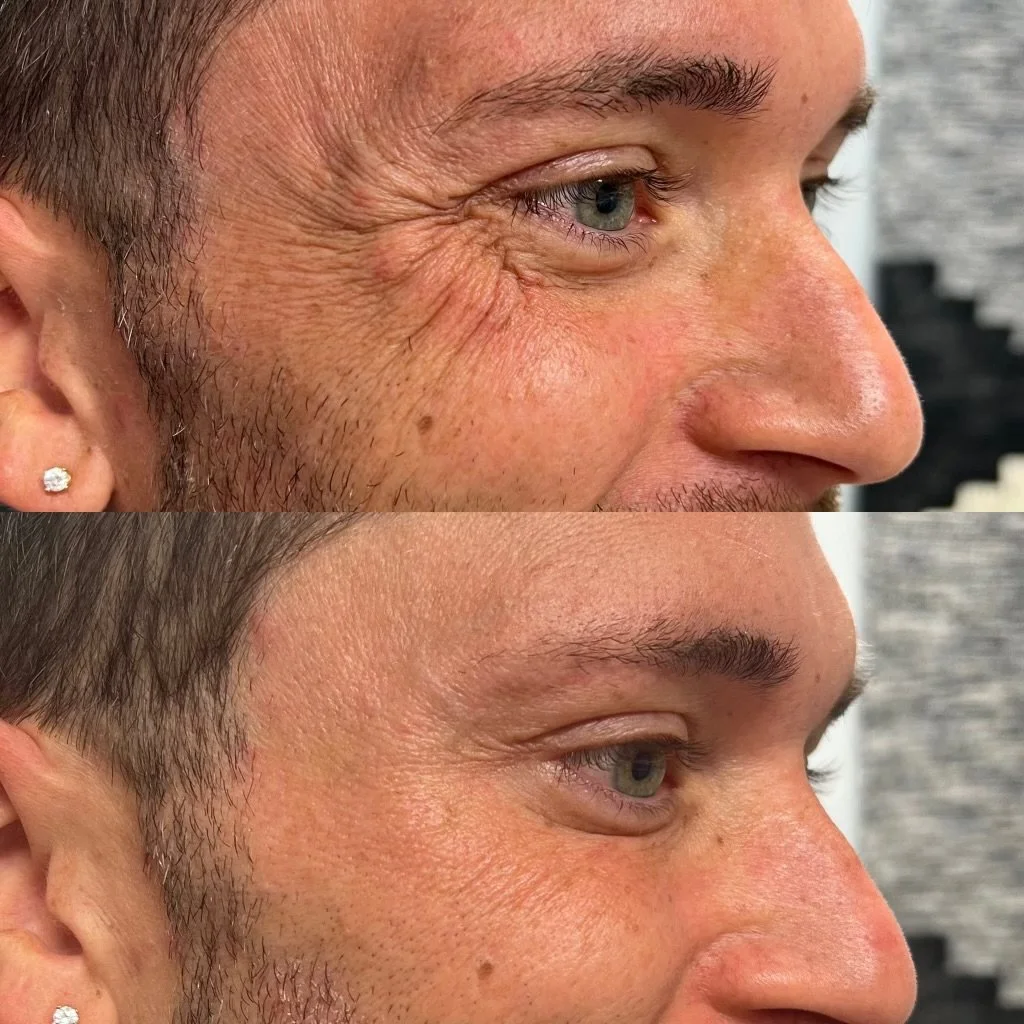
You will not see full Botox results immediately. Many people notice early changes within several days, but the full smoothing effect typically develops over about two weeks. That is why providers often schedule a follow-up check around that time, especially for new patients or new treatment areas. The results then gradually soften over the next few months as your muscle activity returns. The exact duration depends on your metabolism, dose, and the specific muscles treated, but many people schedule repeat treatments several times a year to maintain the effect. A conservative first treatment can help you understand how your body responds before planning a regular schedule.
What are reasonable alternatives if I decide against Botox?
If you decide Botox is not for you right now, you still have options to support your skin and appearance. Medical-grade skincare, such as prescription or professional-strength retinoids and sun protection, can improve texture and help prevent some future wrinkles. Treatments like microneedling or laser can address tone, texture, and certain lines without affecting muscle movement. For areas where volume loss is the main issue, filler or biostimulatory treatments may be more appropriate, pending a careful evaluation. At a clinic that offers a range of medical and aesthetic services, your provider can help you weigh these choices and build a plan that respects your comfort level while still giving your skin “extra love” over time.