Business photo
Planning for dermal filler, not guesswork

Should I Get Filler at a Med Spa or Plastic Surgery Office?

If you are thinking about filler, you may be torn between a busy med spa and a plastic surgery office. The setting can affect your experience, but what protects your safety and results is less about the logo on the door and more about who holds the syringe, how they practice medicine, and what kind of follow‑up you receive. This guide walks you through the questions a medically led clinic in Kernersville uses to help patients choose a setting that fits their goals, comfort level, and schedule,without pressure.

The short answer

What matters most

You can get safe, effective filler at either a med spa or a plastic surgery office, but the key is not the building type. What matters most is the individual injector's medical training and experience with filler, the level of medical oversight in the practice, how carefully they evaluate your face and health history, and how they handle safety and follow‑up. A thoughtful provider will review your goals, explain realistic options, discuss risks, and offer a plan that fits your features instead of pushing product. If a med spa or plastic surgery office can clearly describe who will inject you, what their credentials are, how emergencies are handled, and how you can reach them afterward, the setting itself becomes less important than the quality of care. Some patients in and around Kernersville prefer medically directed clinics that offer aesthetics within a broader healthcare and wellness setting,such as Bryan Medical & Wellness,because they value long‑term relationships, coordinated care, and natural‑looking results over quick specials.

01You can receive safe filler at either a med spa or a plastic surgery office; the crucial factors are injector training, medical oversight, and safety protocols.↗
02Filler is a medical procedure that changes facial structure, so your choice should be based on careful consultation and clinical judgment, not specials or convenience alone.↗
03A good injector, in any setting, will take a detailed medical history, examine your face thoughtfully, explain risks, and support starting conservatively if you prefer.↗
04Local patients around Kernersville may benefit from medically led clinics that combine aesthetics with broader wellness and primary care, making follow‑up and coordination easier.↗
05Clear answers about who will inject you, how complications are managed, and what follow‑up access you have matter more than whether the sign says "med spa" or "plastic surgery."↗

Business photo
A visual pause

Understanding What Filler Can (and Cannot) Do

A useful way to think about it

Understanding What Filler Can (and Cannot) Do

Before you decide where to go, it helps to be clear on what dermal fillers are meant to do, and what kind kind of medical thinking they require. That context makes the med spa versus plastic surgery choice feel calmer and more structured.

01

What dermal filler is designed to do

Dermal fillers are injectable gels used to restore or add volume, contour certain areas, and soften specific lines or shadows. Common areas include the lips, cheeks, folds around the mouth, under‑eye hollows, and along the jawline. Modern fillers are often made of hyaluronic acid, a substance that also exists naturally in your skin. When used thoughtfully, they can help you look more rested or balanced rather than "done." Because filler physically changes the structure under your skin, deciding where to go for treatment should be treated like any other medical procedure. You are not just buying a syringe,you are choosing a person to assess your anatomy, your aging pattern, your medical history, and how those interact with the product being placed.

02

What filler cannot safely fix

Filler is not a cure‑all, and a cautious provider, no matter the setting, will be upfront about that. It cannot replace surgery when there is significant loose skin, and it cannot fix every wrinkle or pore. Over‑filling to chase lifting or tightening that filler was never designed to do can lead to an unnatural look, heaviness, or long‑term stretching of tissues. Filler also cannot safely bypass a thorough medical history. Certain autoimmune conditions, bleeding disorders, medications, or past reactions may require a different plan or extra precautions. A well‑trained injector in any office should be willing to say no, modify your plan, or suggest alternatives such as neuromodulators, skin treatments, or lifestyle changes when filler is not the best tool for the job.

03

Why filler requires genuine medical judgment

Good filler work is built on anatomy and medical reasoning, not just an artistic eye. Your injector must understand where major vessels and nerves run, how your tissues change with age, and how different fillers behave in various layers of the face. They also need to recognize early signs of rare but serious complications, such as a vascular occlusion, and know how to respond. That is why the question "med spa or plastic surgery office?" really translates to "who is assessing me, what is their training, and how do they handle my safety before, during, and after injections?" Clinics that treat filler as a quick add‑on without this depth of thinking may feel convenient in the moment but can create bigger problems later.

Decision guide

How to Decide Between a Med Spa and a Plastic Surgery Office

Instead of focusing on labels, you can walk through a few core areas, training, safety, setting, and follow‑up, to see which specific provider, in any setting, fits you best.

01

Comparing injector training and experience

Start with the person, not the logo. Ask any med spa or plastic surgery office who will actually be injecting you. Are they a physician, physician assistant, nurse practitioner, or nurse with specific training in aesthetics? How many years have they been doing filler, and how frequently do they perform the treatment areas you are considering? You can also ask how they stay current. Do they attend regular hands‑on trainings, learn new safety protocols, and review challenging cases with colleagues? A strong injector, in any setting, welcomes these questions and can explain their background clearly and calmly, without defensiveness or vague answers.

02

Understanding medical oversight and emergency planning

Next, look at how the practice is structured medically. In a plastic surgery office, the surgeon may perform injections or supervise other injectors. Some med spas are also medically directed; others have less clear oversight. Because filler is a medical procedure, you should know who the responsible medical provider is and how they are involved. Ask each practice: Who manages complications if something goes wrong? Is there a plan for rare vascular events? Is reversal medication available for hyaluronic acid fillers? How quickly could you be seen if you called with sudden pain, discoloration, or other concerns? Clear, confident answers are more important than any single title on the door.

03

Evaluating consultation quality, not sales pressure

A genuine consultation should feel like a medical visit, not a sales pitch. Whether you are at a med spa or a plastic surgery office, notice how much time is spent listening versus talking. Does the injector ask about your health history, medications, and previous aesthetic treatments? Do they look at your face from multiple angles, talk through photographs, or show you how different areas interact? Be cautious if someone recommends large volumes of filler quickly, offers injections without a full exam, or discourages you from taking time to think. A thoughtful provider explains options, expected longevity, and maintenance, then supports you if you want to start conservatively or delay treatment.

04

Considering setting, comfort, and privacy

The environment can influence how relaxed and heard you feel. Some people prefer the quieter pace of a smaller, medically oriented clinic; others like the buzz and amenities of a large med spa or the more traditional feel of a surgical practice. None of these is automatically safer. What matters is how the setting supports careful medicine. Ask yourself: Do I feel rushed in the waiting room or treatment chair? Is there space for private conversation and unhurried questions? Are post‑procedure instructions explained somewhere quiet where I can focus? Choose a setting where you feel comfortable asking anything, including, "Can we slow down?" or "Can you explain that risk again?" without feeling like a bother.

Evidence and expectations
PROOF

How Bryan Medical & Wellness Approaches Filler‑Related Care

Different clinics structure aesthetics very differently. Here is how Bryan Medical & Wellness in Kernersville thinks about training, comfort, and ongoing care for patients who want to change how they look and feel.

National certification and medical leadership

Bryan Medical & Wellness is led by Daniel Bryan-Ledwell, PA-C, MSPAS, a nationally certified physician assistant. That certification reflects advanced medical training and ongoing education in diagnosing, treating, and managing health conditions. In practice, that means aesthetics are approached within a broader understanding of your overall health, medications, and long‑term wellness goals, rather than as isolated cosmetic procedures. For patients considering filler, this kind of leadership can translate into more thorough intake, clearer counseling about risks and benefits, and a willingness to recommend alternatives when filler is not the safest or most effective choice for a specific concern.

Patient feedback on comfort and communication

Reviews from patients highlight the value of feeling comfortable, heard, and unrushed. One patient described the office as "absolutely wonderful," noting that staff and the medical provider "treat you like family" and make you feel "comfortable and heard." Another shared that everyone is "so friendly and welcoming," and that they felt "comfortable and relaxed" the moment they walked in. For filler decisions, that kind of environment matters. It is easier to speak up about fears, describe subtle aesthetic goals such as "I want to look less tired," and ask follow‑up questions when the team has already demonstrated warmth, patience, and respect in other aspects of care.

Integrating aesthetics with primary care and wellness

At Bryan Medical & Wellness, aesthetics lives alongside primary care, hormone optimization, medical weight loss, and laser therapy, all under one roof. Patients who see the practice for more than one service often appreciate that their injector also understands their medications, chronic conditions, and lifestyle pressures. For example, a patient working on hormone and weight balance might also be considering filler to address volume loss or tired‑looking features. Having those conversations with a team that knows their broader health picture can help align timing, dosing, and expectations, reducing the risk of fragmented care or conflicting advice from multiple, unrelated offices.

Business photo

What This Choice Looks Like Around Kernersville and the Triad

If you live in or near Kernersville, you sit between several cities with plenty of options: boutique practices, larger med spas, plastic surgery offices, and medical clinics that weave aesthetics into broader care. That variety is helpful, but it can also feel overwhelming. The practical difference locally is often less about access and more about relationship. A nearby, medically directed clinic may be easier to reach for detailed consultations, small touch‑ups, or careful follow‑up when something feels "off" a few weeks later. For patients juggling work, family, and health issues, being able to see the same team for primary care, hormone and weight support, and aesthetics can simplify life and keep treatments coordinated. As you look around the Triad, ask each practice how far out they book new‑patient aesthetics visits, what after‑hours support looks like, and whether they can see you promptly if you have a concern about your filler. Those concrete answers will matter more day‑to‑day than a city name on the website.

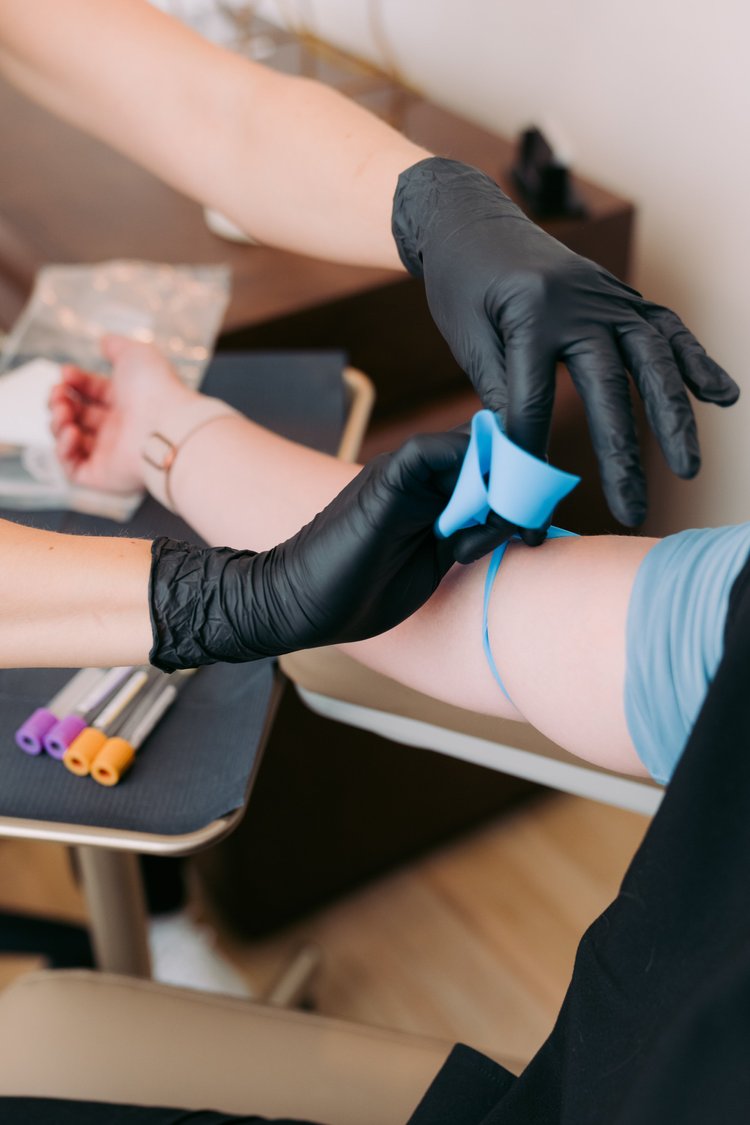
A healthcare professional wearing black gloves places a blue elastic tourniquet around a patient's upper arm. The patient is wearing a light blue sleeve, and several blood collection tubes with colored caps are visible on a nearby tray.
Questions worth asking

Questions People Ask Before Booking Filler

If you are still weighing your options, these answers cover more specific concerns that patients often bring up when they are planning filler for the first time.

Is filler safer at a plastic surgery office than at a med spa?

Neither setting is automatically safer. Safety depends on the injector's training, the clinic's medical oversight, their protocols for preventing and managing complications, and how carefully they evaluate you. Plastic surgery offices may have certain resources on‑site, but many med spas are also medically directed and highly safety‑focused. Ask each practice who supervises injectable treatments, what their emergency protocols are, and how quickly they can see you if something feels wrong after your appointment.

Who should actually perform my filler injections?

Filler should be performed by a licensed medical professional who has specific training and experience with injectables and facial anatomy. That may be a physician, physician assistant, nurse practitioner, or nurse, depending on the practice and state regulations. What matters most is not the title but the depth of their experience, their comfort managing complications, and their ability to explain why they are recommending a particular plan for your face and health history.

What should happen at a first filler consultation?

A first filler consultation should include a detailed medical history, discussion of your goals and what bothers you, careful examination of your face at rest and in motion, photographs when appropriate, and a clear explanation of which options may or may not work for you. You should hear about risks, downtime, and how to reach the office afterward. You should never feel pressured to decide on the spot. Many patients benefit from starting with a smaller treatment, or from addressing skin quality or health issues first before adding filler.

How can I tell if a clinic is focused on natural‑looking results?

Look at more than social media. During your visit, notice whether the injector asks what "natural" means to you and how you feel about specific features. Ask to see before‑and‑after photos of patients with similar starting points and goals. A provider who favors subtle results will often talk about balance, proportions, and maintenance over time, and may suggest a staged approach rather than a one‑day transformation. They should also be comfortable saying no if a requested look would not suit your face or could compromise your tissues.

Can a general medical clinic be a good place to get filler?

Yes, many patients like having filler done in a medically led clinic that also provides primary care and wellness services, because their overall health picture is already known. In a practice like Bryan Medical & Wellness, where aesthetics sits alongside primary care, hormone and weight management, and laser therapy, the team can factor in your medications, chronic conditions, and lifestyle when planning aesthetic treatments. As with any setting, the key is confirming who will inject you, what their training is, and how the clinic handles safety and follow‑up.

Your next step

Want a Calm, Medical Conversation About Filler?

If you are in the Kernersville area and would like a thoughtful, pressure‑free consult about filler or other aesthetic options, Bryan Medical & Wellness is accepting new patients. You can call or text 336-992-0491, email officestaff@bryanmw.com, or use the online booking links on bryanmw.com to schedule. The team will review your goals, your medical history, and your broader wellness picture, then help you decide whether filler, another treatment, or a slower step‑by‑step plan fits best for you right now. You do not need to have everything "figured out" before you come in. A good visit should help you sort through your options, understand trade‑offs, and leave feeling clearer,not pressured.