Business photo
Old filler, new worries

What Should I Do If I Don’t Like My Old Filler?

If you are unhappy with how your old filler looks or feels, you are not stuck. You do, however, need a calm, honest assessment before anyone adds more product, tries to dissolve it, or suggests a new treatment. This guide walks through the practical steps, safety checks, and questions a medically guided clinic in Kernersville uses to help patients fix or improve results from earlier filler elsewhere.

The short answer

What matters most

If you don’t like your old filler, pause before adding anything new and get a detailed, in-person evaluation with a qualified medical injector. Bring any information you have about the original treatment, including what product was used, how much was placed, and when and where it was injected. In many cases, old filler can be adjusted, softened with careful techniques, or, if it is a dissolvable hyaluronic acid filler, treated with a prescription enzyme that helps break it down. A thoughtful provider will examine your face at rest and in motion, review your medical history, explain realistic options, and only move forward once you understand the risks, tradeoffs, and likely outcomes of correcting or replacing the filler.

01Feeling unhappy with old filler is common, and you are not stuck with a result you dislike.↗
02A careful, in-person evaluation with a qualified medical injector is essential before anyone adds, dissolves, or otherwise alters previous filler.↗
03Gathering details about your original treatment,product, timing, and photos,helps shape safe and realistic correction options.↗
04Realistic paths forward can include watchful waiting, subtle correction with new filler, or dissolving certain types of filler, depending on what you have and what bothers you.↗
05Bryan Medical & Wellness in Kernersville combines medical training, a calm environment, and a relationship-based approach to help patients navigate decisions about old filler and future aesthetic care.↗

Business photo
A visual pause

Understanding why you dislike your old filler

A useful way to think about it

Understanding why you dislike your old filler

Before jumping into a fix, it helps to name exactly what feels wrong. That clarity shapes whether the best plan is time, dissolving, careful correction, or a different kind of treatment altogether.

01

Start by naming what actually bothers you

“I don’t like my filler” can mean many different things. Some people feel they look puffy or overdone. Others see unevenness, asymmetry, or small bumps. Some feel their lips or cheeks do not move naturally, or that their face no longer looks like them in photos. Take a few days to pay attention to when your discomfort is strongest. Is it in certain lighting, from a specific angle, or only when you smile? Writing down specific concerns helps your injector see what you see, and separates fixable issues from things that may be related to bone structure, natural asymmetry, or skin changes rather than the filler itself.

02

Gather every detail you can about your previous filler

Before any responsible provider tries to correct old filler, they need information. If you still have paperwork, after-visit summaries, or emails from the original injector, set them aside now. Useful details include the brand name of the filler, whether it was hyaluronic acid–based, how many syringes were used, where it was placed, and when the injections occurred. If you do not have this information, that is okay; just gather what you realistically can. At your consultation, share any photos from right after treatment and as the result settled. This timeline can help the new provider understand how your result has changed over time.

03

Understand what “old” means for different fillers

“Old filler” can mean a few months ago or many years ago, and that matters. Many commonly used hyaluronic acid fillers gradually break down over 6–18 months, depending on the product, area, and your metabolism. Some patients still see or feel small amounts beyond that window. Other types of fillers are designed to last longer and behave differently in the tissue. Because your options for correction depend heavily on which category you are in, an in-person evaluation is essential. The provider can feel the area, compare both sides of your face, and discuss whether what you are seeing is likely lingering filler, normal anatomy, or something else altogether.

Decision guide

How to choose your next step with old filler

Once you understand what bothers you and what product you have, you can look at your real options. This section offers a practical framework, not a one-size plan, so you and your injector can decide together.

01

Option 1: Watchful waiting with a plan

Sometimes the safest and most realistic choice is to let the filler continue to fade on its own while you and your provider monitor it. This can make sense if the issue is mild, if you are unsure what product was used, or if the area has already improved over time. A good injector will not pressure you to act quickly. Instead, they may suggest a follow-up schedule, skin care support, or complementary treatments that do not involve more filler in the same spot. The key is having clear expectations: what changes you might reasonably see with time, and what signs would prompt re-evaluation sooner, such as pain, swelling, or sudden differences in appearance.

02

Option 2: Correction or blending with carefully placed filler

In some cases, strategic, conservative placement of new filler can balance an uneven result or restore a feature that flattened as your old filler partially dissolved. This approach requires a high level of anatomical understanding and a provider committed to subtlety. Before you agree to more filler, ask how the proposed plan addresses your specific concerns, what product will be used, how much is being considered, and what your provider will do if your tissues do not respond as expected. At Bryan Medical & Wellness, the emphasis across aesthetic services is on natural-looking outcomes and not rushing. That same philosophy applies when discussing whether adding any new product is wise after a previous, disappointing experience.

03

Option 3: Considering dissolving certain fillers

Some hyaluronic acid fillers can be treated with an injectable medication that helps break them down more quickly. This can be a good option when the product is lumpy, placed too superficially, or clearly not aligned with how you want to look. However, it is not a casual decision. Dissolving can affect both unwanted filler and some of your body’s own hyaluronic acid, and the experience and process vary from person to person. A thoughtful provider will review your medical history, allergies, and previous reactions, examine how the filler feels in the tissue, and explain what dissolving can and cannot accomplish. If this is an option, they will also discuss how many sessions might be needed and how they will gauge progress between visits.

04

What must be verified before moving forward

Before any correction is attempted, several points deserve careful confirmation. Your provider should review your overall health, medications, and any history of unusual bruising, swelling, or reactions to injectables. They should clarify, as much as possible, which filler family you received and where it sits in the tissue now. They should also explore your goals in depth: Do you want all visible filler gone, or would improving one area be enough? Are you open to non-filler options like skin treatments or laser therapies for certain concerns? This verification step may feel slow, but it protects your safety and helps avoid repeating a disappointing experience with another rushed or poorly targeted treatment.

Evidence and expectations
PROOF

How Bryan Medical & Wellness approaches filler corrections

Correcting someone else’s work is delicate. Verified details about the practice’s training, environment, and patient experiences can help you imagine what a visit for old filler concerns may feel like.

Nationally certified medical leadership

Correction work demands more than an artistic eye; it also requires medical judgment. Bryan Medical & Wellness is led by Daniel Bryan-Ledwell, PA-C, MSPAS, a nationally certified physician assistant. That certification reflects formal medical training and ongoing education. For patients anxious about changing or dissolving old filler, knowing that a medically trained provider is evaluating their health history, anatomy, and risks can provide reassurance. It also makes it easier to discuss how your filler questions fit into broader topics like medications, hormone changes, or weight shifts that might also affect how your face looks and feels over time.

Patients describe a calm, welcoming environment

Trust matters even more when you already feel regret about a past treatment. In public reviews, patients repeatedly mention how friendly, welcoming, and relaxing the office feels. One patient described walking into an “absolutely gorgeous” space and immediately feeling comfortable, while another emphasized that the entire team is “so kind, warm, welcoming, and genuinely caring.” When you are contemplating something like dissolving or re-working filler, that atmosphere can make it easier to be honest about what you do not like, ask direct questions, and take the time you need to decide without feeling rushed or judged.

Emphasis on being heard and not feeling rushed

Several reviewers highlight that Daniel and the staff are attentive, treat patients like family, and make them feel “comfortable and heard.” That matters particularly for filler corrections, where your personal preferences,subtle versus dramatic, sharper angles versus softness,are just as important as the technical plan. A provider who listens can help distinguish between what is actually possible and what might require a different approach, such as skin resurfacing, laser therapy, or supporting your skin’s health more broadly. Feeling heard also means you can speak up if you are nervous about dissolving or adding more product, and know that caution will be respected.

Business photo

If you’re in or near Kernersville with filler concerns

Patients in Kernersville and the surrounding Triad often juggle work, family, and commuting to larger cities like Winston-Salem or Greensboro. That can make it tempting to ignore filler you dislike simply because addressing it feels like “one more thing.” A local, medically guided clinic can change that calculation. You can schedule a focused visit close to home, have the area assessed in good lighting, and return easily for follow-up if you and your provider decide to dissolve or adjust anything. Since Bryan Medical & Wellness also offers primary care and wellness services, some patients appreciate discussing filler concerns in the broader context of health, medications, and aging instead of feeling like a quick cosmetic transaction.

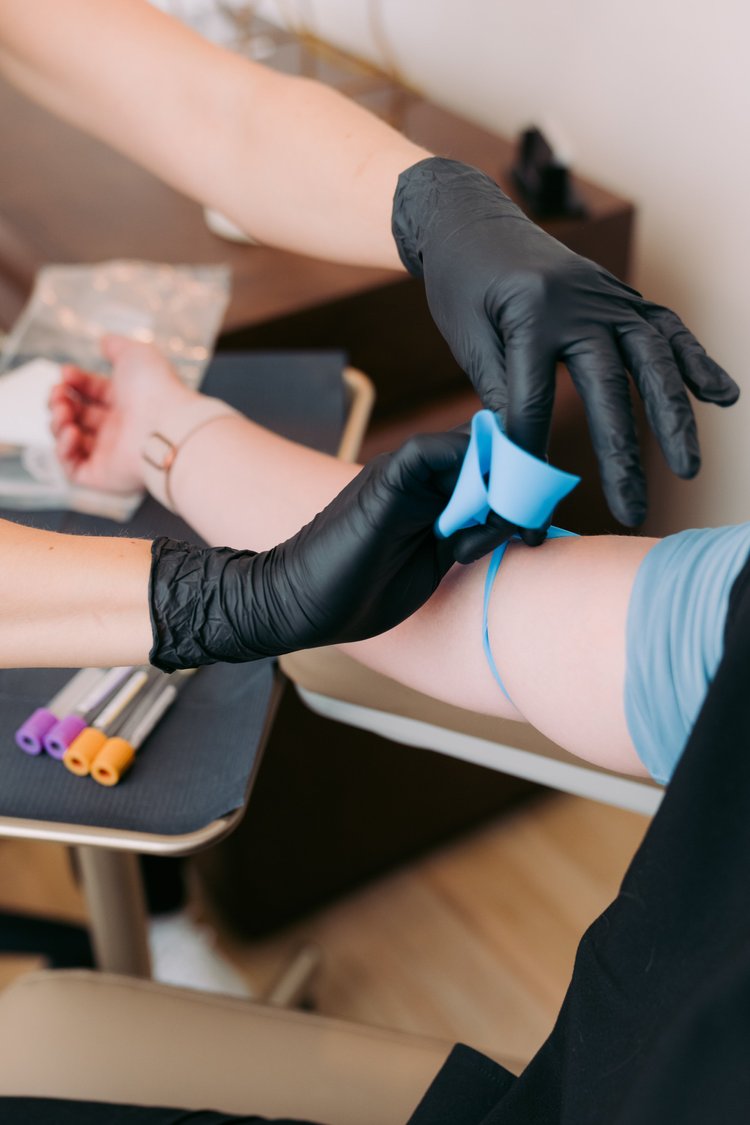
A healthcare professional wearing black gloves places a blue elastic tourniquet around a patient's upper arm. The patient is wearing a light blue sleeve, and several blood collection tubes with colored caps are visible on a nearby tray.
Questions worth asking

Questions patients often ask about old filler

Feeling disappointed or worried about an old treatment can be emotional and confusing. These questions build on what you have already read and address concerns that often come up once you start thinking about next steps.

Can I fix old filler if I don’t know which product was used?

It is common not to remember exactly which filler you received, especially if it has been a while or you saw multiple providers. You can still seek help. Bring any paperwork, emails, or before-and-after photos you can find. A skilled injector will examine the area visually and by touch, compare both sides of your face, and consider how long it has been since treatment. In some cases, they may recommend watchful waiting, conservative blending, or, if they strongly suspect a specific type of dissolvable filler, a careful test dose of dissolving medication. Because there is more uncertainty, you should expect a slower, stepwise plan rather than a one-visit “fix.”

How do I know if what I’m seeing is filler or just natural aging?

This question comes up often, especially when several years have passed since your injections. Volume loss from aging, weight changes, or hormonal shifts can alter your features in ways that resemble fading filler. In an evaluation, your provider will look at old photos, your current facial structure, and how the tissues move. They may gently press along the treated area to feel for any remaining product. Sometimes the conclusion is that little or no filler is left, and that your concerns relate more to skin laxity or bone changes. In that case, they may talk with you about skin treatments, laser options, or broader wellness support rather than more filler in the same spot.

Is it safe to get new filler in an area where I didn’t like the last result?

Safety depends on your health, the type of previous filler, and what bothered you about the last result. Many people do choose to be re-treated in the same general area after careful assessment, often with a different technique, product, or amount. The more important question is whether doing so makes sense in your particular case. A cautious injector will first explore why you disliked your prior result, whether any filler remains, and what your risk tolerance is now. They may recommend addressing underlying factors, such as skin quality or asymmetry, before adding more volume. You should never feel pushed into repeating a treatment that does not align with your comfort level.

What should I bring to a consultation about old filler?

Preparing for your visit can make it more productive and less stressful. If you have them, bring records or receipts from your original treatment, a list of current medications and supplements, and any information about allergies or past reactions to injectables. Save a few clear photos of your face: before the original filler, shortly afterward, and more recently. Jot down what you do and do not like about your appearance now, plus any specific questions you want answered. This preparation helps your provider see the full picture and use your appointment time to focus on examination, explanation, and discussing realistic options rather than trying to piece together your history from memory alone.

How does Bryan Medical & Wellness handle follow-up after a filler correction?

While exact follow-up plans are tailored to the person and treatment, the practice’s overall approach emphasizes relationship-based care and ongoing communication. That means you can expect a clear plan for checking your progress after any adjustment or dissolving session, and guidance on when to reach out sooner if you notice unexpected changes. Because the clinic also provides primary care and wellness services, many patients already have an ongoing relationship with the team, which can make it easier to coordinate care if you have questions about how other health factors or medications might interact with aesthetic treatments. For specifics about follow-up for your situation, the best step is to ask during your consultation so you leave with a personalized plan.

Your next step

Ready to have your old filler evaluated?

You do not have to figure out a filler correction plan on your own or pressure yourself into quick decisions. If you are in the Kernersville area and want a calm, medically grounded opinion about old filler, you can call 336-992-0491, email officestaff@bryanmw.com, or use the online booking links on bryanmw.com to schedule a visit. The team will review your history, examine the area carefully, and walk you through options that match your goals and comfort level, with plenty of time for questions.