Business photo
Rough, bumpy skin and enlarged pores

What Treatment Can Improve Rough Skin Texture?

If your skin feels rough, looks dull in photos, or makeup catches on tiny bumps, you are not alone. Rough texture can come from many causes, including sun damage, clogged pores, past breakouts, and natural aging. The good news is that there are real, medical‑grade ways to smooth and refine your skin's surface. This guide walks through what rough texture actually is, what you can do at home, and which professional treatments a Kernersville clinic may recommend if you want more noticeable, longer‑lasting improvement.

The short answer

What matters most

Rough, uneven skin texture usually improves best with a combination of consistent skincare and targeted in‑office treatments. Medical‑grade aesthetics can address texture by gently resurfacing the top layers of skin, supporting collagen, and treating issues like clogged pores, acne scars, and sun damage. Laser and intense pulsed light (IPL) therapies can help remodel areas marked by sun exposure, redness, and certain texture changes, giving skin a smoother, more even look over time. At Bryan Medical & Wellness in Kernersville, NC, patients with rough skin texture typically start with a consultation, where the medical team reviews skin history, examines the texture up close, and then recommends a personalized mix of skincare guidance, aesthetic procedures, and, when appropriate, laser therapy. That step‑by‑step plan often produces better and more natural‑looking results than relying on any one treatment alone.

01Rough, bumpy skin texture can come from many causes, including sun damage, clogged pores, past acne, and natural aging, so the first step is understanding what is happening in your own skin.↗
02Daily habits still matter. A gentle, consistent skincare routine with appropriate moisturizer and sunscreen can meaningfully improve mild roughness and support any in‑office treatment you choose.↗
03Medical aesthetics can go beyond home care by resurfacing the top layer of skin and supporting collagen, using treatments tailored to your specific texture concerns and lifestyle.↗
04Laser and IPL therapy are useful tools when rough texture overlaps with sun damage, redness, or visible discoloration and texture changes, but they are not required for every patient.↗
05At Bryan Medical & Wellness in Kernersville, NC, rough texture is evaluated in the context of your overall health, hormones, and daily life, then addressed with a personalized mix of skincare guidance, aesthetic procedures, and, when appropriate, laser options.↗
Business photo
A visual pause

Rough Skin Texture? Understand It Before Treatment

A useful way to think about it

Understanding rough skin texture before you treat it

Before you decide on a peel, laser, or any other procedure, it helps to understand what "rough texture" actually means and what is happening in your own skin. That is how a medical provider in Kernersville will think through your options in the exam room.

01

What "rough skin texture" actually means

People describe rough texture in different ways: tiny bumps that catch makeup, dry or scaly patches, a dull surface that looks uneven in certain lighting, or skin that feels like sandpaper when you run your fingers across it. Sometimes it is tied to acne or clogged pores. Other times it is the result of years of sun exposure or simply how your skin is aging. From a medical perspective, texture problems usually come from changes at the surface (the outer layer of skin) or from deeper issues like collagen loss and old inflammation. That is why one person's rough cheeks might respond well to a simple skincare change, while someone else needs a series of aesthetic or laser treatments to see the difference they want.

02

Common causes of rough, bumpy, or dull skin

Several factors can contribute to the feeling and appearance of rough skin. Frequent sun exposure without adequate protection can thicken the skin's outer layer and create sun spots and fine lines. Breakouts and clogged pores can leave behind small bumps or scars. As collagen and elastin decrease with age, skin can look less smooth and light reflects less evenly. Some people also experience roughness from dryness, certain medications, or underlying health conditions. Because the causes often overlap, a provider will usually ask detailed questions about your history: past acne, sun habits, skincare products, and any medical concerns. That information helps them distinguish between surface dryness, textural acne scars, and sun‑related changes that may need more targeted treatment.

03

What you can adjust at home first

Before you consider professional procedures, it is reasonable to look closely at your daily routine. Harsh scrubs, over‑exfoliating acids, or drying acne products can damage your skin barrier and make texture feel worse, even if they are marketed as smoothing. On the other hand, a gentle, consistent routine with cleanser, moisturizer, and daily sunscreen can improve mild roughness over several weeks. Aesthetic providers often suggest simplifying before adding more. That might mean switching to non‑abrasive exfoliation, using a moisturizer that actually matches your skin type, and staying diligent with broad‑spectrum SPF. If you are not sure what to choose, a visit focused on skincare guidance and product selection can save you time, money, and extra irritation.

Decision guide

Planning your next step toward smoother skin

Once you understand why your skin feels rough, you can decide whether to adjust your daily routine, seek professional help, or both. This section walks through how to think about timing, expectations, and where a medically led clinic fits in.

01

When daily skincare is not enough

If you have given a simplified, barrier‑friendly skincare routine several weeks and your skin still feels rough or looks bumpy, it may be time to consider professional treatment. This is especially true if acne scars, old sun damage, or long‑standing redness are involved. Topical products can help, but they are often limited in how much they can remodel texture on their own. A medical consultation gives you a chance to find out whether your texture is mostly surface level or related to deeper structural changes. From there, your provider can explain which in‑office options may realistically improve your specific concerns, how dramatic the change could be, and how many sessions are usually needed to get there.

02

How professional aesthetics can smooth texture

Aesthetic treatments at a medically led clinic are designed to go beyond home care in a controlled, precise way. Depending on your skin and goals, your provider might recommend treatments that lightly resurface the surface, help unclog and refine pores, or gradually stimulate collagen so the skin feels and looks smoother over time. At Bryan Medical & Wellness, aesthetics visits include a conversation about what bothers you most, your comfort level with change, and how much downtime you can realistically manage. That discussion shapes whether your plan focuses more on gentler, lower‑downtime treatments, or a more intensive series for people who want stronger correction and are prepared for some short‑term recovery.

03

Where laser and IPL therapy fit in

Laser and intense pulsed light (IPL) treatments can play a key role when rough texture is tied to sun damage, redness, or certain visible discoloration and texture changes. These devices work by delivering focused light energy into targeted areas of the skin, helping to break up pigment, calm visible vessels, and encourage more even tone and surface over time. At Bryan Medical & Wellness, laser and IPL sessions are planned after a consultation that reviews your skin type, history of sun exposure, and any medical conditions that might affect healing. Some patients use laser primarily for issues like sun spots or small facial veins and then notice that their skin texture and overall clarity improve along the way. Others combine laser with aesthetic treatments to address both color and texture in a structured plan.

04

Questions to ask any clinic about texture treatment

To stay safe and informed, go into your consultation with a short list of questions. Ask who will be evaluating and treating you, and what kind of training they have in both medical and aesthetic care. Ask which specific concerns they see in your skin and which treatments they recommend first, second, and later. Find out how they will tailor the plan if you have sensitive skin, a history of pigmentation issues, or a busy schedule. You can also ask how they handle after‑care and follow‑up. Will you have a way to reach the office if you are worried about a reaction? Do they schedule check‑ins between treatments to track your progress? Clear answers to these questions can tell you a lot about whether a practice is prepared to partner with you over time, not just perform a single procedure.

Evidence and expectations
PROOF

How Bryan Medical & Wellness approaches texture concerns

Patients in Kernersville do not just need a device or a cream; they need a team that listens, explains, and follows through. Here is what independent proof tells you about the clinic's training, environment, and approach to aesthetic care.

Medical training behind your aesthetic care

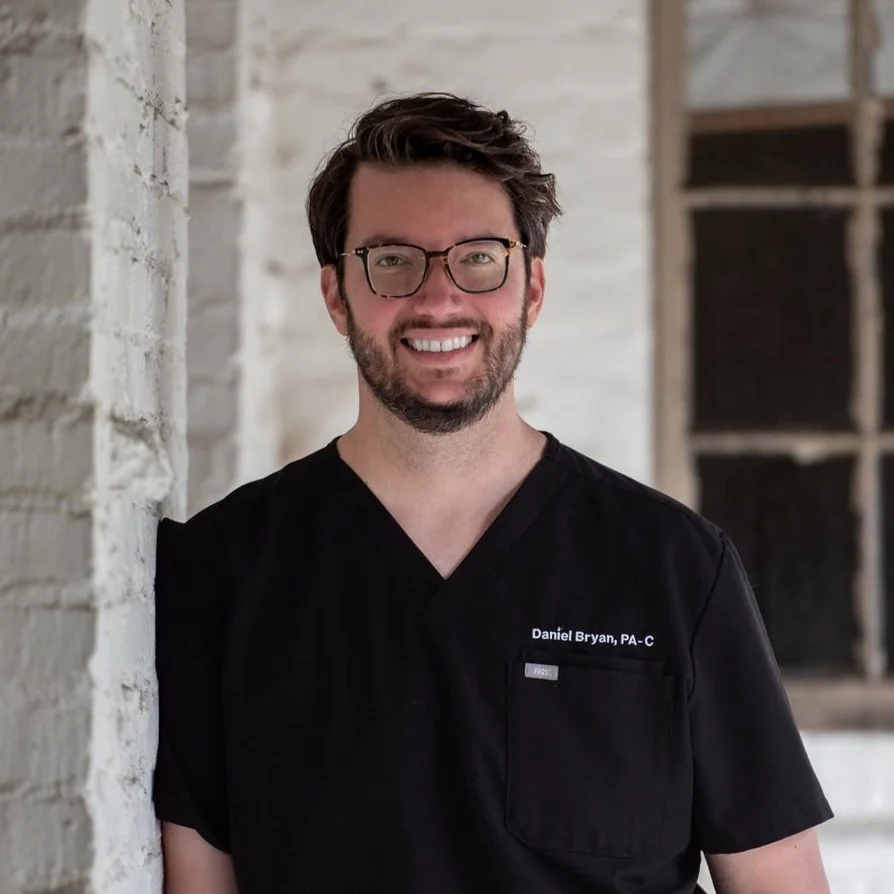
Daniel J. Bryan-Ledwell, PA-C, MSPAS, is a nationally certified physician assistant who leads Bryan Medical & Wellness. That certification reflects advanced medical training and ongoing education, which matters when your skin concerns intersect with health questions, medications, or hormone changes. Patients who bring up rough texture often also want to talk about weight, energy, or chronic conditions. Having a medically trained provider at the center of your aesthetic care makes those conversations more seamless and more thorough.

Patient feedback on aesthetic experiences

Reviews from patients give a window into how a practice actually delivers care. One five‑star review from Breanna notes that she has been coming to Bryan Medical & Wellness for more than two years and "absolutely love[s]" the team, highlighting that Daniel is knowledgeable, thorough, and takes time to explain everything. She specifically mentions trusting him completely with her Botox and being consistently happy with her results. Another patient, Renee, describes the office as gorgeous, relaxing, and welcoming, and shares that she is receiving treatments to give her "over 50 skin a little extra love," including microneedling, with more sessions already booked because she is excited to see her ongoing results.

Environment and relationship‑focused care

Several reviews emphasize how the staff makes patients feel comfortable, heard, and cared for like family. Ashley mentions that the office is exceptionally clean and welcoming and that everyone provides excellent care. Taylor notes that Daniel and his team are "kind, warm, welcoming, and genuinely caring," and calls each visit an amazing experience. When you are addressing something as personal as the texture of your skin, that combination of professionalism and warmth can make it much easier to ask questions, share your hesitations, and stick with a longer treatment plan. It also suggests a culture where follow‑up and communication matter, not just the procedure itself.

Business photo

What rough skin treatment looks like for Kernersville and Triad patients

Living in the Triad means your skin sees real seasons: hot, humid summers with strong sun and drier, colder winters. That mix can leave behind rough patches, sun damage, and flaring redness that over‑the‑counter products rarely fix fully. A local Kernersville clinic that combines primary care with aesthetics and laser options is uniquely positioned to look at the full picture: your health, your medications, your lifestyle, and your skin goals. That matters if texture changes are tied to hormones, weight shifts, or chronic conditions. Being nearby also changes the treatment plan. Many texture‑focused procedures work best in a series, spaced weeks apart, with adjustments along the way based on how your skin is responding. Choosing a local, medically led office in Kernersville makes it more realistic to keep those visits, check in if anything feels off, and tweak your plan season by season instead of starting over at new offices miles away. During your consultation, ask specifically how they tailor care to local sun exposure, work schedules, and your personal comfort with downtime.

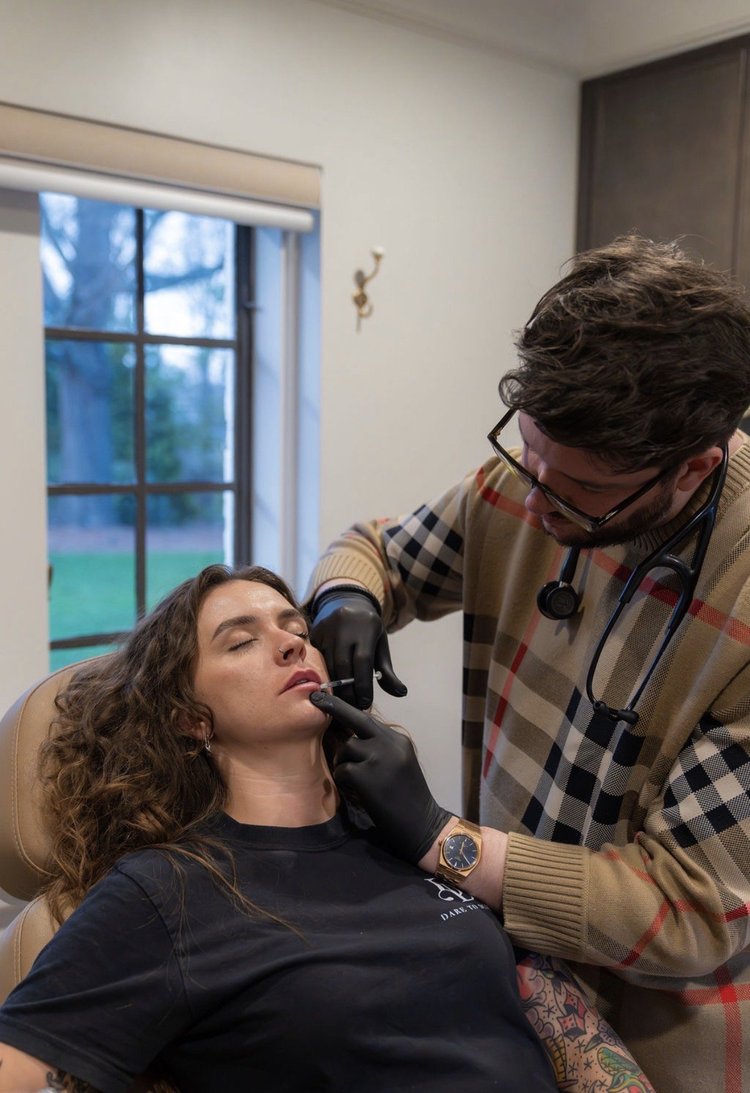
A medical professional wearing glasses, a plaid sweater, black gloves, and a stethoscope administers an injection near a reclining woman's lips. The woman has curly brown hair and wears a black shirt. The treatment takes place indoors beside a large window.
Questions worth asking

Questions people ask about rough skin texture treatments

By the time someone books a consultation for rough, bumpy skin, they have usually tried several products and still feel stuck. These are the questions that come up most often, along with clear, practical answers.

Can rough skin texture really be improved, or will it always look this way?

Many people assume they are stuck with rough, uneven skin because they tried a few products that did not help. In reality, texture often improves when it is matched with the right type of treatment. If your roughness is mostly from dryness or mild buildup, a gentler, more consistent skincare routine can make a noticeable difference over several weeks. If texture comes from deeper issues like old acne scars or significant sun damage, it usually needs in‑office care such as medical aesthetics or laser therapy to see more substantial change. During a consultation at a medically led clinic, your provider can help separate which parts of your texture are surface‑level and which are deeper, then outline what kind of improvement is realistic in your situation.

How long does it take to see smoother skin after starting treatment?

Timing depends on both the cause of your texture and the treatments you choose. Some patients notice that their skin feels softer and looks a bit more even within a few weeks of improving their skincare routine and sun protection. Professional aesthetic procedures may create a shorter period of redness or sensitivity followed by visible smoothing as the skin heals. Laser and IPL treatments often work in a series, with gradual changes over several sessions as pigment and redness improve and the surface looks more uniform. At Bryan Medical & Wellness, the provider will typically explain what to expect from each step, including how long it may take to see early changes and when to reassess your plan.

Is laser or IPL always necessary for rough skin texture?

Laser and IPL can be powerful tools for certain kinds of texture, especially those linked with sun damage, redness, or specific visible discoloration and texture changes. However, they are not the only options, and they are not right for every skin type or every concern. Some people see satisfying improvement through other aesthetic treatments, skincare guidance, and consistent home care without ever using a light‑based device. A thoughtful provider will not automatically recommend laser. Instead, they will examine your skin, talk with you about your history and goals, and then explain whether laser or IPL might add meaningful benefit beyond other treatments. If you are a good candidate, they will also discuss safety steps based on your complexion and any past pigment issues.

Can medical conditions or hormones contribute to rough, uneven skin?

Yes, medical factors can play a role in how your skin looks and feels. Hormonal changes, certain medications, and chronic conditions can all influence oil production, inflammation, and healing, which in turn affect texture. For example, breakouts tied to hormonal shifts can leave behind bumps or scars, and some health issues may make your skin more reactive to products or treatments. This is where a clinic that offers both primary care and aesthetics can be especially helpful. At Bryan Medical & Wellness, the same team that oversees your overall wellness can also weigh in on how your health, hormones, or medications might be showing up in your skin, then factor those details into your texture treatment plan.

What should I share with my provider before a rough skin treatment?

Before any texture‑focused treatment, give your provider a full, honest picture of your skin and health history. That includes any past procedures, reactions to products, or issues like pigmentation changes after sun exposure. List the prescription and over‑the‑counter products you are currently using, including retinoids, exfoliating acids, and acne medications. Mention medical conditions, allergies, and whether you are pregnant or breastfeeding. This information helps your provider choose treatments and settings that are safe for you, decide how aggressively to resurface, and plan your after‑care instructions. It also helps them set realistic expectations so you know what kind of change you can look for and how long it may take.

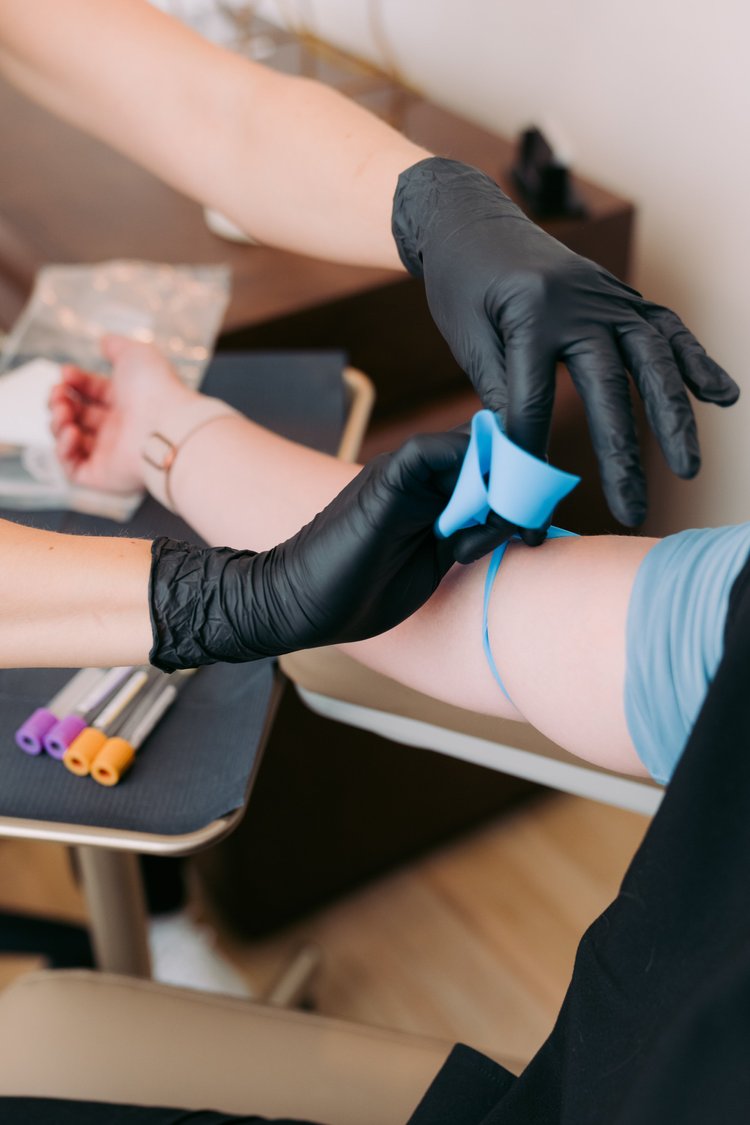
A healthcare professional wearing black gloves places a blue elastic tourniquet around a patient's upper arm. The patient is wearing a light blue sleeve, and several blood collection tubes with colored caps are visible on a nearby tray.
Your next step

Ready to talk about your skin texture with a medical provider?

If your skin feels rough no matter how many products you try, a thoughtful medical evaluation can give you options that match your life and your comfort level. At Bryan Medical & Wellness in Kernersville, NC, aesthetic and laser treatments are offered inside a full‑service medical clinic, so you can talk about your skin in the same place you discuss your general health. You can call or text 336-992-0491, email officestaff@bryanmw.com, or use the online booking link at bryanmw.com to schedule a visit. At your appointment, you will review your skin concerns, your routine, and any health questions, then discuss realistic treatment paths and timing. There is no pressure to choose a specific procedure on the spot; the goal is a clear, comfortable plan for smoother, healthier‑looking skin.